EXCLUSIVE — Secretary of State Marco Rubio reassured key Senate Republicans on Friday that the Trump administration is committed to zero enrichment as the United States attempts to broker an end to the Iran war that blocks its pursuit of a nuclear weapon.
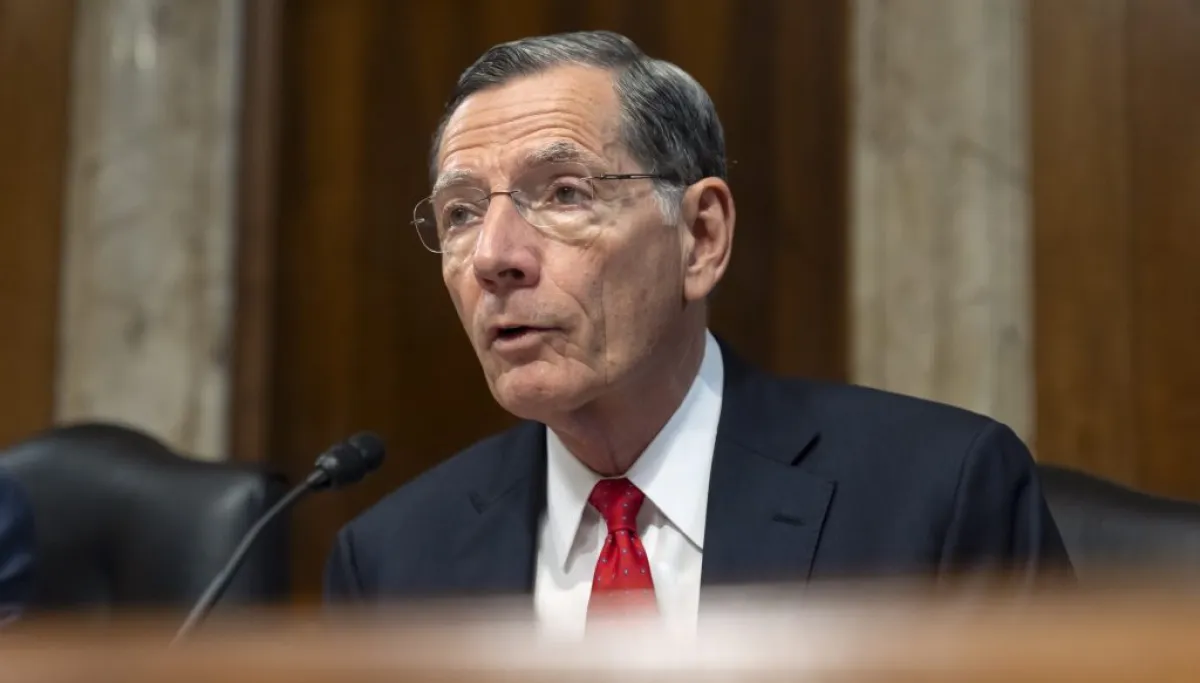
Senate Majority Whip John Barrasso (R-WY) told the Washington Examiner in a Monday interview that he spoke with Rubio about Iran as part of a swing through the White House that included a meeting with President Donald Trump. Sen. Lindsey Graham (R-SC) also joined the Rubio meeting, according to a spokeswoman.
The trip was meant to get Trump’s blessing for a bill that would reopen the Department of Homeland Security without Democratic votes. As majority whip, Barrasso is responsible for firming up Republican support, while Graham is ushering the legislation along as chairman of the Senate Budget Committee.
The meeting with Rubio, which has not been previously reported, comes as some Senate Republicans express concern over the terms of a ceasefire Trump has negotiated with Iran and the possibility that an eventual peace agreement will leave Iran’s nuclear enrichment capability partially intact.
Graham, in particular, has called on Vice President JD Vance and other U.S. negotiators to brief Congress on any deal, and though Vance left an intense round of talks in Pakistan over the weekend without an agreement, Trump suggested Monday that negotiations were still ongoing and centered on nuclear enrichment.
Axios reported Monday that U.S. negotiators offered a 20-year moratorium on uranium enrichment and that Iran countered with a proposal in the single digits. Speaking to reporters, the president ruled out a path to a nuclear weapon for Iran and suggested that the U.S. military would retrieve the uranium if a deal fails to materialize.
Barrasso said he was “not surprised” the Pakistan talks stalled and called Vance’s willingness to leave the negotiating table a departure from the Obama administration, when Secretary of State John Kerry helped broker a nuclear deal that temporarily limited the size of Iran’s uranium stockpile. Trump subsequently exited that deal in his first term.
“The difference is, when John Kerry had that discussion last time, and the Iranian negotiator left — John Kerry ran after him,” Barrasso said. “That’s not going to happen with us, with this administration or our secretary of state.”
He declined to say whether the Senate should bless a new Iran deal, should one materialize. Graham has called for a “congressional review process” on any agreement, while Republicans did the same when former President Joe Biden tried to revive the Obama-era deal.
Instead, Barrasso suggested the discussion was premature given the developments over the last several days, noting a U.S. blockade of the Strait of Hormuz that began on Monday.
As of now, the two-week ceasefire that began last week is slated to expire on April 22.
“There’s still plenty of time left, and we’ll see how this resolves, but it’s going to resolve,” Barrasso said.
The State Department did not respond to a request for comment on the White House meeting, but Rubio has repeatedly briefed lawmakers since the conflict with Iran began at the end of February and has a strong relationship with the Senate owing to his time spent as a member of the upper chamber.
The conversation took place ahead of a war powers vote slated for later this week and as a 60-day window for the president to get congressional approval for the war approaches.
CONGRESS WANTS A SAY ON TRUMP’S IRAN DEAL
Barrasso said Senate GOP leadership would take the temperature of the Republican conference on Iran on Tuesday, when senators spend their first full day back at the Capitol after a two-week recess. He told the Washington Examiner that there will be a “long discussion” on the conflict and budget reconciliation, the process Republicans are using to provide DHS funding, at their regularly scheduled lunch.
Democrats have successfully forced several votes on the president’s war powers in Iran since the conflict began, but Republicans have so far rejected all of them.