Anyone who watched the recent World Baseball Classic final in Miami — a thrilling matchup between the underdog Venezuelans and Team USA — saw a vivid display of national pride.
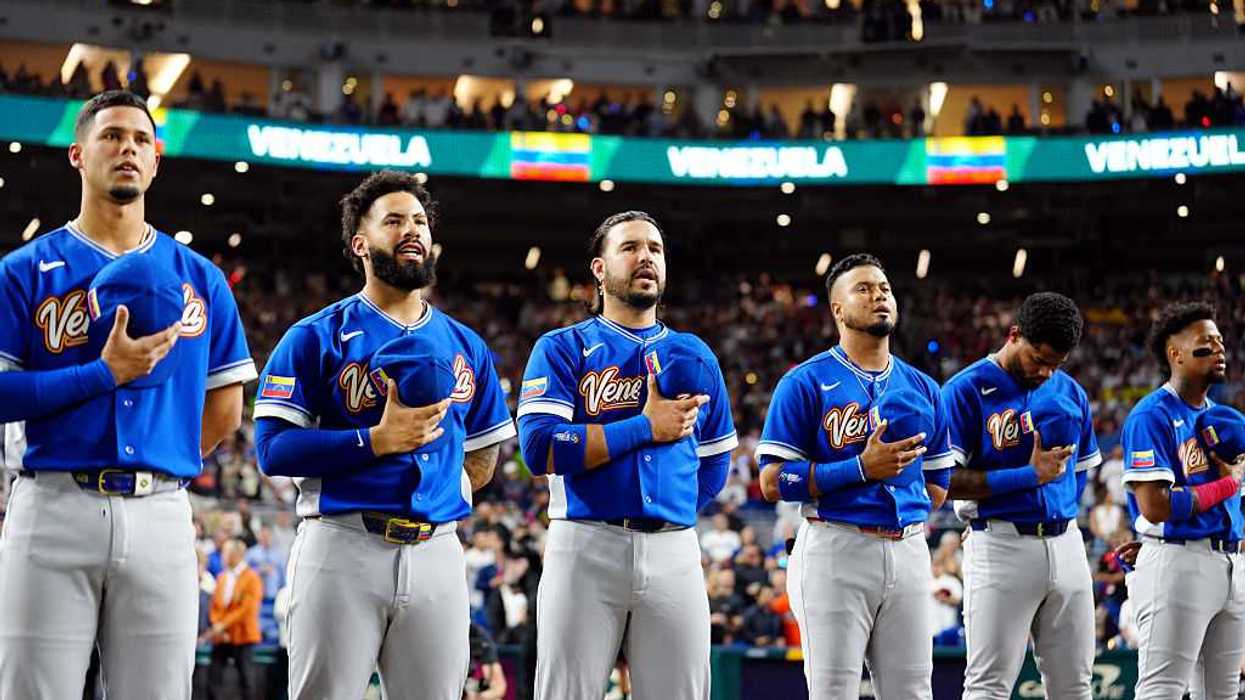
Before the game, both teams stood for the Venezuelan and American national anthems. Miami is home to the world’s largest Venezuelan diaspora community. The cheers were thunderous. Every Venezuelan player stood with his cap over his heart and sang every word with conviction. This from a nation scarred by decades of unrest, corruption, and more recently, liberation at the hands of U.S. troops sent by President Donald Trump. Through all that turmoil, they held fast to love of country. “It means everything. This is for our country,” starting pitcher Eduardo Rodriguez said afterward through tears.
A nation cannot survive on procedure alone. It needs loyalty, memory, gratitude, and a shared sense of belonging.
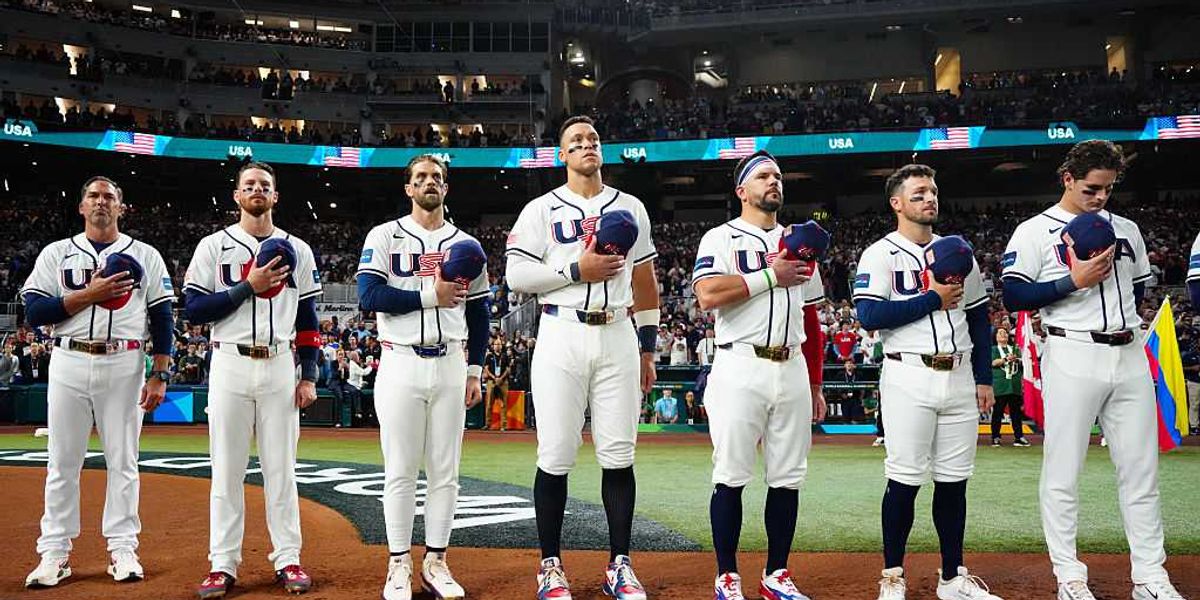
The contrast with the American team was hard to miss. Our players all looked stoic. No one sang. I wondered if they even knew the words.
That scene unfolded as the U.S. Senate debated the SAVE America Act, a bill that would require proof of citizenship to register to vote and voter ID at the polls. Sen. Eric Schmitt (R-Mo.) framed the matter correctly. “Our republic was founded on a daring claim that free people could govern itself. Not that a free people could drift forever,” he said.
“Liberty is fragile and so it requires structure.”
America’s founders would have understood the point.
In his 1796 Farewell Address, George Washington urged Americans not only to respect the law but to love their country. “Citizens, by birth or choice, of a common country, that country has a right to concentrate your affections,” he said. “The name of American, which belongs to you in your national capacity, must always exalt the just pride of Patriotism.”
Benjamin Franklin believed immigrants should assimilate, learn the language, and adopt American customs if they wished to become good citizens. Thomas Jefferson tied citizenship to literacy, civic formation, and military readiness. “Every citizen should be a soldier,” he wrote. “This was the case with the Greeks and Romans and must be that of every free state.”
The SAVE Act may never reach President Trump’s desk. Common sense rarely enjoys smooth passage in Washington. But Sen. Mike Lee (R-Utah) has at least shown some backbone. “We’re going to stay on this bill until it damn well passes,” he said, even if that means “many, many weeks” of debate.
If the MAGA base roars loudly enough, maybe it will.
But the deeper problem runs beyond election law. It concerns whether Americans still understand citizenship as something more than legal status. A nation cannot survive on procedure alone. It needs loyalty, memory, gratitude, and a shared sense of belonging.
RELATED: America’s founders risked the gallows. What are we risking?
 Daniel Shirey/WBCI/MLB Photos via Getty Images
That is why the contrast on display in Miami matters. The Venezuelans played as men who still believed their country — mess that it may be — deserved their love. Too many Americans now act embarrassed by their own inheritance.
If we do not protect our elections from illegal votes, we weaken our sovereignty. If we do not insist that new citizens learn English, we weaken national cohesion. If we cannot teach our children to love their country, sing its anthem, and thank God for its blessings, we will hand the nation to elites whose only loyalty is to appetite, profit, and power.
I saw the alternative recently at a Hillsdale College seminar. Before each meal, a student led us in prayer. Then we stood together and recited the Pledge of Allegiance. I had not spoken those words aloud in years. The moment carried real force — 800 voices joined in gratitude, memory, and common purpose. It reminded me that patriotism is not an abstraction. It is a habit.
We should bring the pledge back to schools. We should teach the Bible again. We should teach Western history and literature without apology. We should make English the official language of the United States.
After Venezuela beat Italy in the semifinals, President Trump posted on Truth Social, “Wow … statehood #51 anyone?” He understood something larger in the moment. America does not need another state. It needs more citizens with that kind of spirit.
These are the questions I explore in my new novel, “Trump’s Superpower: A Historical Novel About the Founding Fathers and One Founding Mother,” out in May. In it, the founders return for America’s 250th anniversary and confront what we have done with the republic they risked their lives to build.
Whether we still deserve it may depend on whether we are still willing to sing for it.