The Trump administration is redoubling its efforts to phase out animal testing in drug development and seeking to develop new biotechnology methods instead to spur innovation in the pharmaceutical market.
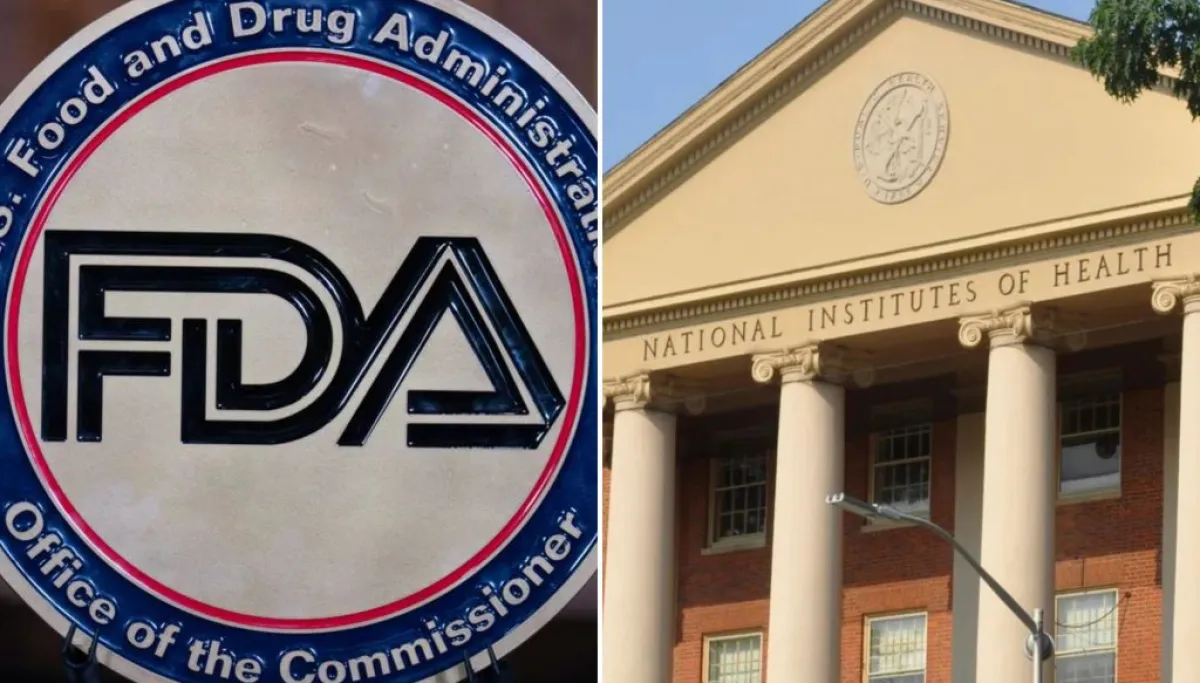
The Food and Drug Administration and the National Institutes of Health launched parallel initiatives to help pharmaceutical companies implement new approach methodologies during the initial stages of drug development as an alternative to animal testing, which has drawn criticism from animal rights groups.
NAMs are innovating testing approaches using advances in biotechnology to replicate human testing rather than relying upon animals during early clinical trial phases. So-called organoids or other 3D cellular models, “organs-on-a-chip,” and computational toxicology models are all examples of NAMs that have already been used in the FDA’s validation process for certain drugs.
The FDA announced Wednesday that it would be releasing new draft guidance to help pharmaceutical developers better understand what the agency is looking for when using NAMs during drug testing to demonstrate the safety and efficacy of new products for approval.
The NIH simultaneously announced that it would spend more than $150 million to develop and scale better NAM models and facilitate NAM development for key research areas.
Health and Human Services Secretary Robert F. Kennedy Jr. said in a statement that the moves demonstrate his department’s “commitment to replace animal testing with human-relevant, scientifically rigorous methods.”
The moves come as the Trump administration aims to clarify its Make America Healthy Again agenda messaging for voters ahead of the 2026 elections. Vaccine-related policies from Kennedy’s department have reduced trust in federal public health agencies.
Kennedy said that the FDA’s new guidance “will help modern tools earn regulatory confidence and speed safer, more effective therapies to patients.”
The draft guidance offers companies four core principles for validation in studies using novel NAMs, including a clear definition of why the company chose to use NAMs, demonstrating how NAMs can assess toxicity, establishing scientific confidence, and ensuring their usefulness in regulatory decision-making.
FDA Commissioner Dr. Marty Makary said in a statement that the new guidance, to be finalized after a public comment period, will “help facilitate the adoption of modern alternatives to animal testing.”
“Technological advances are allowing us to move beyond animal testing in drug development, which has a poor track record of predicting safety and efficacy in humans,” Makary said.
Roughly 90% of new drug candidates fail after the first stage of clinical trials, which are typically conducted on animals.
Senior HHS officials told reporters ahead of the announcement that increasing the use of NAMs would speed up drug development timelines and significantly cut costs for pharmaceutical companies, but they were unable to clarify how much time and money NAMs are projected to save.
Some researchers have predicted that NAMs will save companies money by reducing attrition rates and preventing late-stage drug development failures. Others have warned that implementing expensive technologies will be a steep barrier to entry.
Others still have cautioned that premature overreliance on NAMs could make drug testing prone to biases characteristic of artificial intelligence and computer modeling, threatening the ethics and efficacy of study designs.
VACCINES, FUNDING, AND HIV: TAKEAWAYS FROM NIH DIRECTOR JAY BHATTACHARYA’S TESTIMONY
HHS officials told reporters that they expect AI predictive modeling to be particularly valuable for determining how drug products will affect patients as a whole, whereas organoid or “organ-on-a-chip” biotechnology models can pinpoint how particular organs or organ systems will respond to a new treatment.
Officials also said the NIH and FDA would work closely together as companies submit drug approval applications using novel NAMs, with the NIH reviewing the scientific robustness of new study designs before the FDA approves or denies a drug.