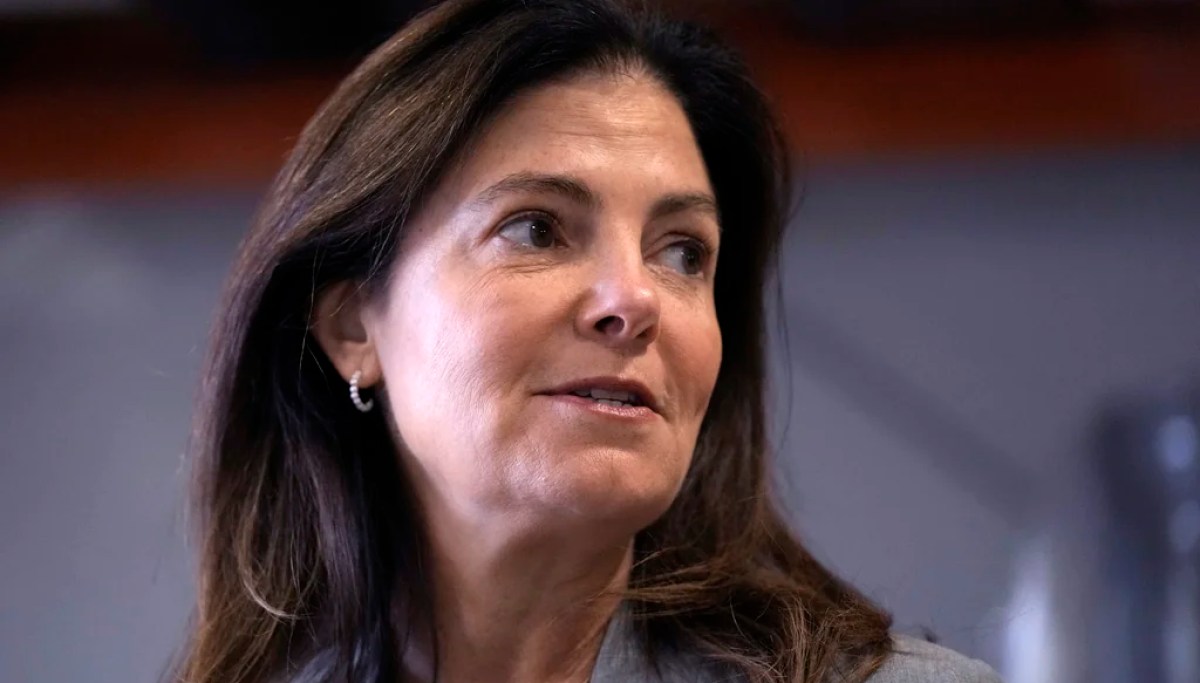
Ayotte said the Department of Homeland Security informed her that it will not move forward with the proposed facility after she raised concerns with Secretary Kristi Noem last week. Ayotte explained that local objectives and broader questions about community impact played a role in the decision.
“During my trip to Washington last week, I had productive discussions with Secretary Kristi Noem,” Ayotte said in a news release. “I thank her for hearing the concerns of the Town of Merrimack and for the continued cooperation between DHS and New Hampshire law enforcement to secure our northern border, keep dangerous criminals off our streets, and ensure our communities are safe.”
In the same press release, Noem also looked positively on the conversation.
“I appreciated my discussions with Governor Ayotte last week,” she said. “From banning sanctuary cities to strengthening law enforcement cooperation, New Hampshire has been a strong partner in securing our country, and we look forward to continuing our work together.”
The move, albeit amicable, comes amid vigorous debate over the Trump administration’s aggressive immigration enforcement efforts, which include plans to convert warehouses across the country into detention and processing centers.
That effort, estimated to cost tens of billions of dollars and greatly expand ICE bed capacity, has encountered resistance in multiple states.
In Maryland, state Attorney General Anthony Brown filed a federal lawsuit seeking to halt the conversion of a Washington County warehouse into an ICE detention center. Brown alleged the federal government failed to conduct required environmental reviews or include public input before buying the site for roughly $102 million.
Gov. Wes Moore (D-MD), who has been a staunch critic of the administration’s handling of last month’s Potomac River sewage spill, argued the lack of transparency and consultation violated state interests and called on DHS to adhere to standard legal processes.
INSIDE ICE’S BATTLE WITH LOCAL DEMOCRATS TO CONVERT WAREHOUSES INTO DETENTION CENTERS
Leadership at the municipal level in Texas and Kansas has also opposed ICE purchasing warehouses to be used as detention centers.
The pushback has complicated the federal agency’s search for space and created a new way for local communities to hold up Trump’s deportation operation.