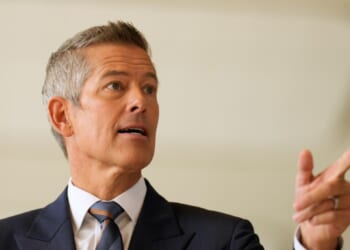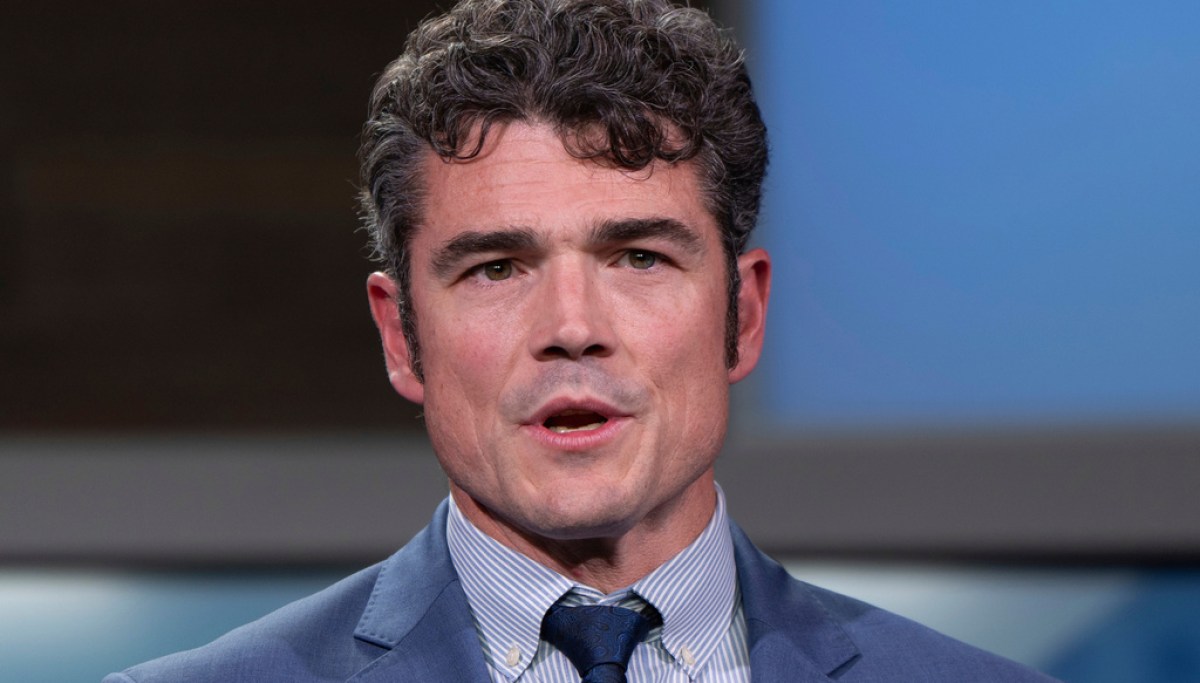
The FBI’s investigation into former counterterrorism chief Joe Kent is sparking concern inside Trumpworld that a potential prosecution could elevate an internal critic of the administration’s Iran war and expose fractures the White House has tried to keep contained.
Kent, a combat veteran who ran two losing congressional campaigns before joining the Trump administration, resigned as National Counterterrorism Center director Wednesday. The exit was over his objection to the war in Iran.
That evening, news broke that the FBI had been conducting a months-long investigation into Kent for leaking classified information to the media.
The Washington Examiner spoke with multiple sources familiar with the Kent investigation, all current or former senior Trump administration officials granted anonymity to discuss sensitive matters. Three said they have no doubts Kent was leaking sensitive information.
“President Trump has zero tolerance for leaks, particularly leaks of classified information that could threaten our national security,” said White House spokesman Davis Ingle.
Kent did not respond to requests for comment on this story.
Two of those sources suggested the pattern began last year shortly after the 12-Day War between Israel and Iran following Operation Midnight Hammer, the Trump administration’s bombing campaign against Iran’s nuclear facilities. At the time, Trump critics and opponents of American military engagements in the Middle East claimed that the operation could drag the United States into another “endless war.”
However, two officials told the Washington Examiner that “prosecuting” Kent may prove to be a miscalculation, despite the administration’s stated focus of clamping down on both political appointees and career government officials who mishandle classified information and leak to the media.
“You’re giving him 10 times more attention, where, right now, maybe only people who are really following this closely know who Joe Kent is,” a source claimed. “But if he ends up getting charged, he’ll become the most famous person in America.”
Those officials note that, in contrast to government officials who leak secrets to other countries, leakers to the media rarely see legal consequences. One person pointed to Dan Caldwell, a former top adviser to War Secretary Pete Hegseth at the Pentagon, who was fired last year after his involvement in the Signalgate scandal and later accused of leaking information to reporters. Not only was Caldwell not charged, he was rehired as an adviser by the Office of the Director of National Intelligence earlier this month.
Furthermore, those individuals suggested that seeking to prosecute Kent somewhat legitimizes the anti-war position that the Trump administration has been publicly “trying to pretend doesn’t exist,” as one source described the situation.
“The overwhelming majority of MAGA or Republican voters do support the war in Iran, a war against the worst enablers of terrorism over the past four decades. Yes, there is a group within the party that is screaming their heads off about how the president is wrong here, but that’s an extremely small minority — certainly not enough people to make a dent in the midterms like the media is hoping for,” that person explained. “At the same time, going after [Kent] does kind of pour fuel on the fire. It makes it seem like there’s more there than there really is.”
Critics of the war in Iran are already picking up those lines of thinking.
A separate source, a former out-of-government adviser to the president who has publicly criticized the war effort, told the Washington Examiner that “of course” the Kent investigation is an administration attempt to “save face.” The source further suggested that charging Kent would only put other anti-war administration officials, including Vice President JD Vance and Director of National Intelligence Tulsi Gabbard, under the microscope, even if they’ve publicly backed the president’s position.
“It’s so shocking that I can barely metabolize it,” that person assessed.
Kent did meet with both Vance and Gabbard on Tuesday, one day prior to tendering his resignation, people familiar with the meeting told the Washington Examiner.
White House officials say that, at the meeting, Vance “encouraged [Kent] to be respectful to Trump” in his resignation letter, and that the vice president “believes that it’s imperative for the national security team to remain cohesive, trust one another, and avoid mouthing off the media about internal deliberations.”
Vance himself reportedly was one of multiple senior administration officials to directly caution Trump against an extended war in Iran.
TRUMP WON’T SUBMIT HIS BUDGET REQUEST WITHOUT IRAN AND DHS ‘STABILITY’
The vice president, a veteran of the U.S. Marine Corps, hasn’t publicly denied issuing those warnings to the president but has declined to characterize his exact conversations with Trump and the national security team in the days and weeks leading up to Operation Epic Fury.
“I hate to disappoint you, but I’m not going to show up here in front of God and everybody else, and tell you exactly what I said in that classified room,” he told reporters two weeks after the war began when questioned about the topic. “Partially because I don’t want to go to prison, and partially because I think it’s important for the president of the United States to be able to talk to his advisers without those advisers running their mouth to the American media.”