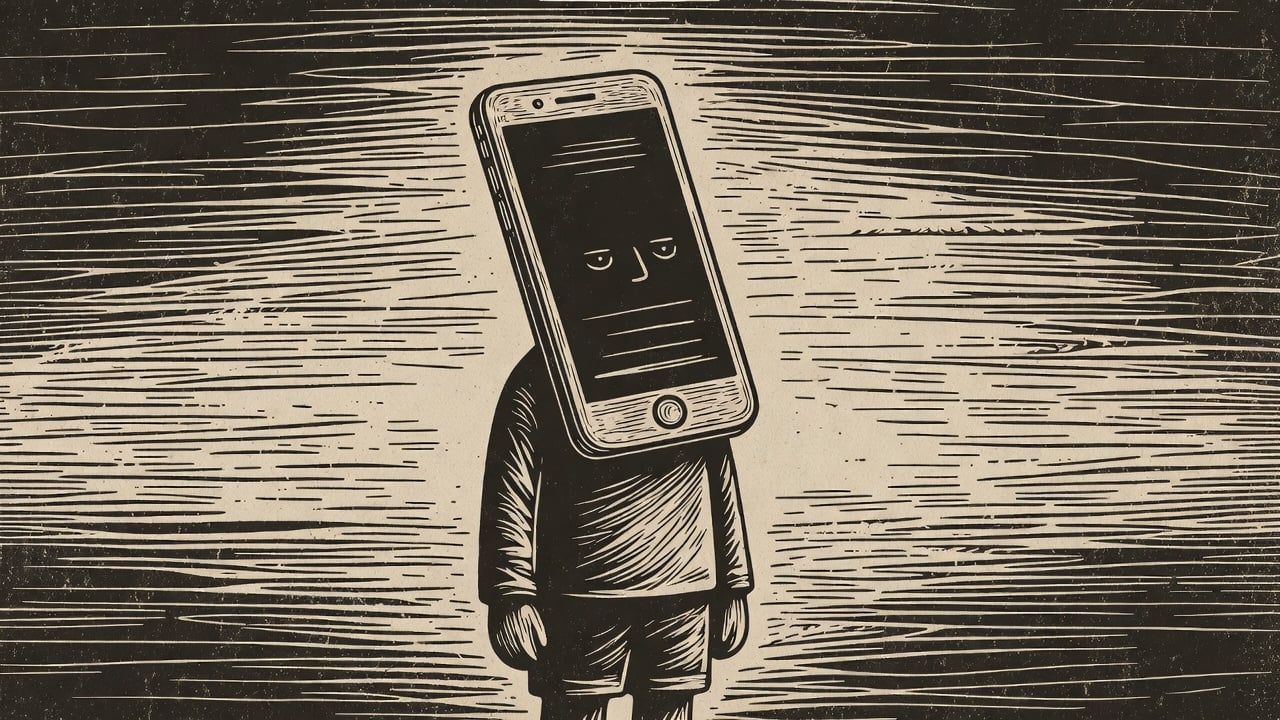
I recently chatted with a public school teacher who was bemoaning the impact of technology in the classroom. ‘Smart’ blackboards, laptops for all kids and ‘computer stations’ have become all too commonplace (along with soaring costs). While we get sob stories about not having enough notebooks or pencils in schools, the reality is school districts are spending 7 figures on IT departments with server rooms alongside lunch rooms.
Has any of this worked? Just the opposite.
Earlier this year, in written testimony before the U.S. Senate Committee on Commerce, Science, and Transportation, neuroscientist Jared Cooney Horvath said that Gen Z is less cognitively capable than previous generations, despite its unprecedented access to technology. He said Gen Z is the first generation in modern history to score lower on standardized tests than the previous one.
While skills measured by these tests, like literacy and numeracy, aren’t always indicative of intelligence, they are a reflection of cognitive capability, which Horvath said has been on the decline over the last decade or so.
Citing Program for International Student Assessment data taken from 15-year-olds across the world and other standardized tests, Horvath noted not only dipping test scores, but also a stark correlation in scores and time spent on computers in school, such that more screen time was related to worse scores. He blamed students having unfettered access to technology that atrophied rather than bolstered learning capabilities.
While teachers may be intending for these tools to be strictly educational, students often have different ideas. According to a 2014 study, which surveyed and observed 3,000 university students, students engaged in off-task activities on their computers nearly two-thirds of the time.
Horvath blamed this tendency to get off-track as a key contributor to technology hindering learning. When one’s attention is interrupted, it takes time to refocus. Task-switching also is associated with weaker memory formation and greater rates of error. Grappling with a challenging singular subject matter is hard, Horvath said. For the best learning to happen, it’s supposed to be.
I’m an early tech adopter. I grew up with a computer at a time when it was not universal. What kids do on computers builds certain kinds of skills, but they’re not the same kind of skills involved in traditional learning. Bringing tech into the classroom is generally a bad idea, much like Zoom class was a bad idea, because you can either learn traditional skills that require paying attention, focusing and taking in abstract ideas, or you can be on a computer, but the odds are that you can’t do both. Introducing ‘screens’ early to kids has been a disaster because that is the age when kids have the most trouble focusing and when they need to be able to adopt basic learning skills and styles. Tech has been an extinction event for traditional education even before the pandemic. It’s gotten worse now. Ask any teacher and she will tell you that getting kids to pay attention has become harder than ever. And it doesn’t end with kids. Ask college instructors the same thing.
Now what happens to adults who can’t focus?