In addition to the sexual abuse scandal that has plagued the Roman Catholic Church, there’s another threatening the very foundation of Catholic beliefs on marriage and family: an annulment process that often violates church teaching. The crisis is particularly acute in the United States, where marriage annulments have proliferated.
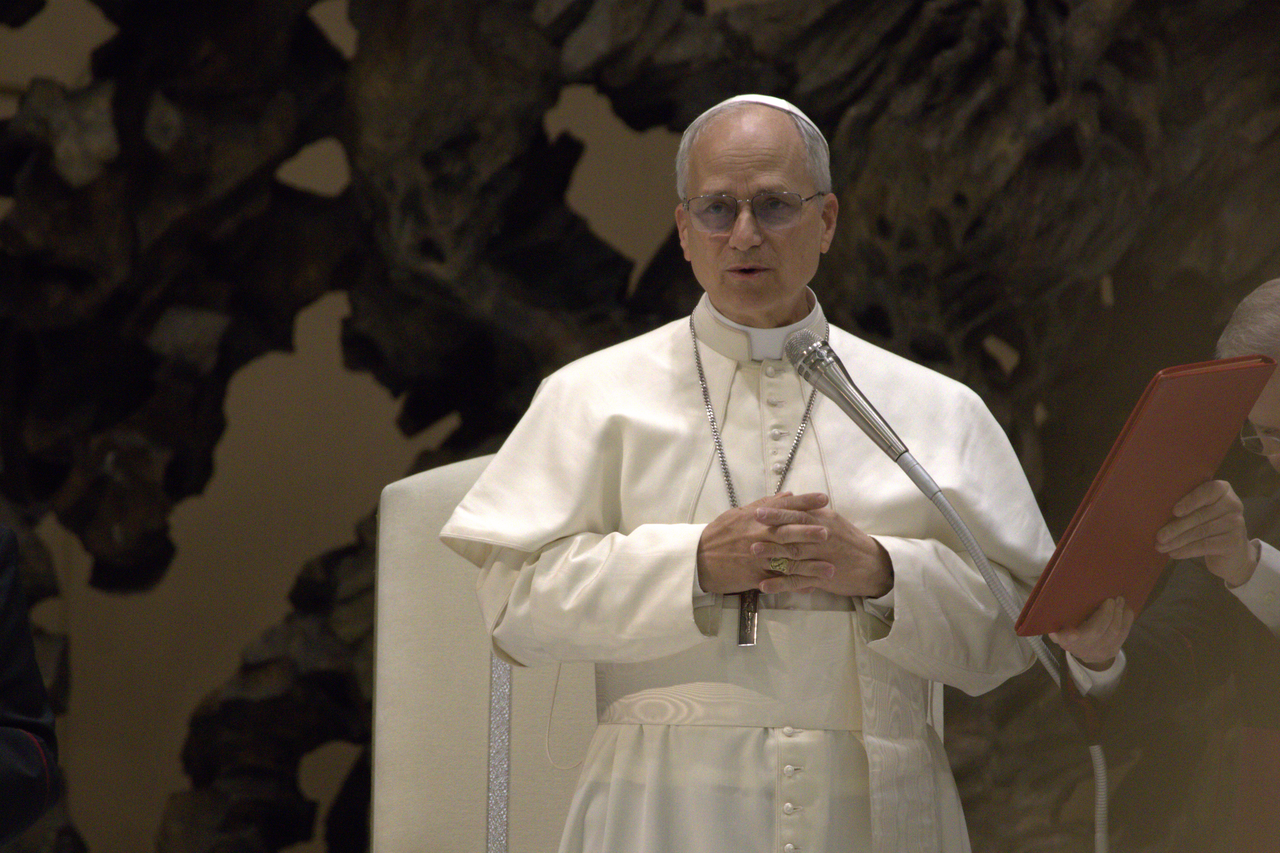
On Nov. 21, Pope Leo XIV delivered a speech to the Rota, the church’s “supreme court,” warning that “human judgment on the nullity of marriage cannot…be manipulated by false mercy.” He indicated that compassion for those going through annulment proceedings should “never [come] at the expense of truth.” The only question in marriage annulment proceedings, he said, is whether a valid marriage existed at the time of the wedding “despite any relational failure.”
Observant Catholics can remarry only after spouses die or a marriage has been declared null, a church declaration that a valid marriage never existed. (A limited exception exists for certain converts, who must apply directly to the pope.) According to the Roman church, without an annulment once-married persons are still married. That means if a married person divorces but doesn’t get an annulment and then civilly marries someone else, that person is committing adultery.
Bishop-established tribunals in 194 U.S. dioceses hear annulment cases. These tribunals consist of one to three judges, usually priests, trained in the church’s canon law. The Rota hears annulment appeals.
“The Rota tends to be pretty good,” Catholic author John Clark told me. “American tribunals are pretty bad.” His book, Betrayed Without A Kiss, examines the attack on matrimony from within the church.
In his explosive book, What God Has Joined Together: The Annulment Crisis in American Catholicism, Notre Dame University professor Robert Vasoli reported that from 1968 to 1994, nullity decrees rose from fewer than 400 to nearly 60,000 per year, with the United States “by a wide marginv… annulling far more marriages than the rest of the Catholic world combined.”
The United States accounts for only 6 percent of the world’s Catholics, yet grants 60 percent of the church’s annulments. Success rates for U.S. annulment petitions range from 90 to 97 percent.
By 2014, the latest available data, annulments declined to approximately 23,000 per year, still a high level given the decrease in marriage rates. Both among Americans in general and American Catholics, marriage rates are at their lowest in history while cohabitation and polygamy are rising.
It’s clear Roman Catholics have jumped on the cultural bandwagon. Today, 28 percent of Catholics divorce. The share of divorced Catholics has more than doubled, while the share of married Catholics has declined in the last 50 years from 67 to 53 percent.
Seventy-five percent of Catholics marry outside the church, which is also contrary to church teaching. For Catholics, marriage is supposed to be lifelong. Marriage is deemed a sacrament established by Christ, with God “the author of marriage” at Creation.
The Roman Catechism states that the good of humanity is “bound up with the healthy state of conjugal and family life.” Scholarly research confirms that intact, monogamous marriages are the gold standard for the well-being of spouses, children, and communities on every measurable level.
Pope Leo delivered his address on the tenth anniversary of Pope Francis’s alterations that made annulment quicker and cheaper. Francis also removed the safeguard of automatic appeals. Afterwards, reports indicated U.S. annulment filings were trending back up.
Sometimes Catholics file for an annulment soon after their civil divorce; some are seeking to remarry. Others who have already left the church file when they want to return and receive communion or become a godparent.
As judicial vicar of the Diocese of Gallup, Fr. Nathanael Block coordinates the annulment process and serves as tribunal judge. The cases he encounters usually involve Catholics who have left the church and seek to return well after their civil divorce. But “yes, there is a crisis,” he said, although he’s primarily familiar with his own diocese. He pointed out that the United States has more tribunals, hence more cases.
But he reiterated that “the presumption is in favor of [the validity of] the marriage. I tell myself I’m going to be judged on this. Before I write a sentence, I seek direction: ‘God, tell me how.’” Block has been a great source of help and comfort to Catholics seeking to honor their marriage vows despite societal pressure to move on.
Fr. Andrew Larkin, a priest and canon lawyer who serves as defender of the marriage bond in Savannah, Georgia, calls the marriage disarray “a crisis of faith.” Except for converts, he often sees “real ignorance” about church doctrine on marriage. Indeed, research confirms only 35 percent of Catholics know their church teaches that remarriage after a divorce without an annulment is a sin.
He also noted annulment petitions dismissed for lack of standing don’t show up in annulment statistics. But he agrees this doesn’t explain the “prevalence of [annulment] affirmatives.” And there’s an equally serious “double-edged sword.”
“If we’re saying all these marriages are invalid, what are we saying about marriage in general? That a valid marriage is hard to find?” Larkin said. “…On the flip side, you can’t apply a different standard to those who enjoy their marriages. The church has been very specific about marriage being a natural thing. You don’t have to be a theologian to approach marriage.”
In 2016, Pope Francis claimed “the great majority of our sacramental marriages are null.” When his statement came under fire, he revised his remarks to “a portion.” Could Leo be signaling a course correction?
Maybe, although popes routinely address the Rota. “John Paul II’s address was even more intense,” Larkin noted. And there have been annulment scandals before. Still, Clark considers Leo’s speech “a big shift. He’s identifying a problem, and it’s happening very early in his papacy,” he said. “[Leo’s] saying we’ve been doing this wrong for a while now, without saying those words.”
Less than a month into his papacy, Leo also delivered a powerful homily about marriage in St. Peter’s Square. A few days after speaking to the Rota, he issued a decree condemning polygamy and reiterating that Catholics should commit to one spouse for life.
Leo is a canon lawyer and the first U.S. pope. His namesake Pope Leo XIII focused extensively on marriage. Perhaps Leo hopes his words filter down to the U.S. bishops, Clark said.
In that case, U.S. bishops must identify and acknowledge what’s fueling the crisis and take steps to address what many scholars, policy makers, and Catholics have identified as the most serious issue of our times — the breakdown of American marriage and family.