As Indiana’s 43rd attorney general, I spent years fighting to protect Hoosiers from the dangers of drug abuse, including the push to legalize marijuana. I wrote op-eds warning that marijuana legalization would open the door to greater opioid harm, not less. I stood with law enforcement and prosecutors across the state in opposing any form of recreational or loosely regulated “medical” marijuana. My position was rooted not in politics, but in the evidence: marijuana is not harmless, and government has a duty to shield our families, especially our children, from its risks.
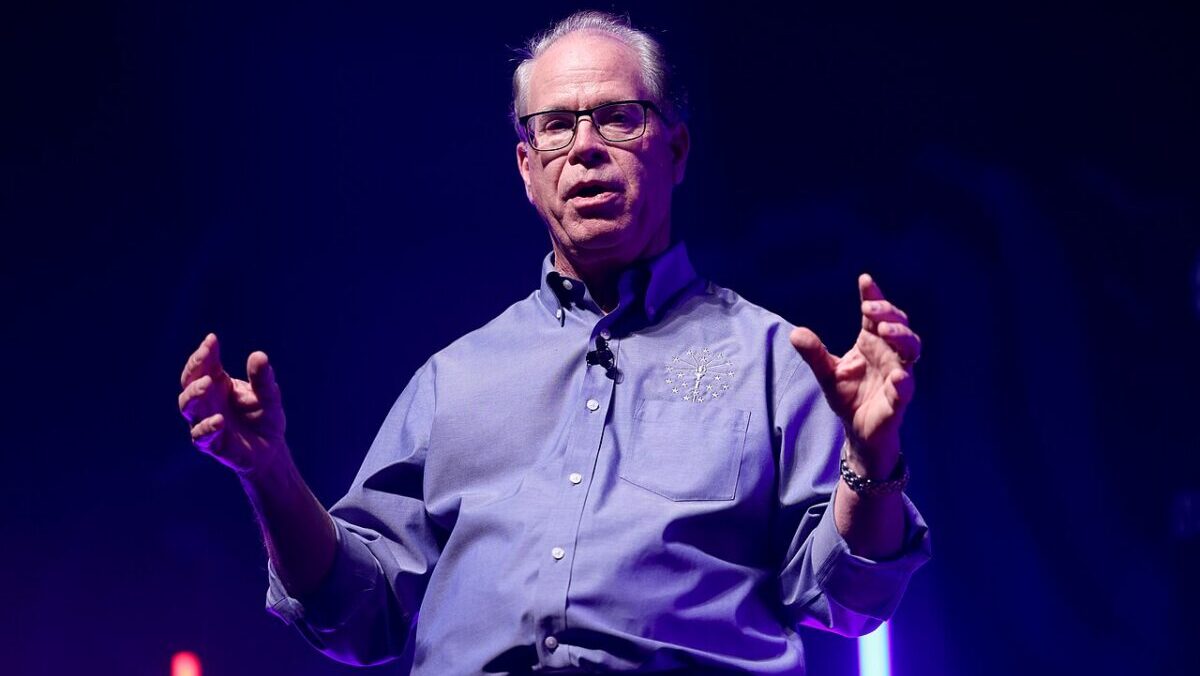
That is why Gov. Mike Braun’s recent comments demand a response. In a March 2026 fireside chat, the governor described himself as “kind of agnostic” on medical marijuana. He noted that Indiana is surrounded by four states that have legalized either medical or recreational cannabis and suggested we will “probably have to address it” to avoid lagging behind.
With respect, agnosticism is not a governing philosophy when it comes to a substance that alters young brains, fuels addiction, and carries proven public-health costs. If Indiana must “address” this issue because neighboring states have caved, then Hoosiers deserve to know exactly where their governor stands. Leadership requires clarity, not ambiguity on a question that will shape the health and safety of our state for generations.
Known Risks
The evidence against recreational legalization is overwhelming and has only grown stronger. Today’s marijuana is not the low-potency product of decades past. High Intensity Drug Traffic Areas (HIDTA) reports from the Midwest and other regions document THC concentrations that have skyrocketed — from an average of under 4 percent in the 1990s to 15–25 percent or higher in modern strains and concentrates. This hyper-potent cannabis is linked to sharply higher rates of cannabis use disorder: roughly 1 in 10 users becomes addicted, rising to 1 in 6 for those who begin before age 18. Emergency-department visits and poison-control calls have surged in states that legalized. Psychosis and schizophrenia risks have climbed, particularly among young males. Unregulated products continue to flow through black-market channels even after legalization, with cartels and illicit growers exploiting the legal gray areas.
These are not abstract statistics. They represent real Hoosier kids whose developing brains are being rewired, real drivers impaired on our highways, and real families bearing the costs of increased mental-health crises and lost productivity. The notion that “it’s just marijuana” was never true; today’s unregulated, high-potency product makes the old slogan dangerously naïve.
False Arguments
Proponents of so-called medical marijuana have long presented it as the reasonable first step — the camel’s nose under the tent. We were told it would ease the opioid crisis by giving patients a safer alternative. That claim has been thoroughly debunked. Early studies suggesting a drop in opioid deaths were overturned by more comprehensive research covering later years. Stanford University researchers and others found that states with medical-marijuana laws experienced no reduction — and in some analyses, an actual increase — in opioid overdose deaths. Marijuana did not substitute for opioids; in many cases, it became a companion drug. The promised public-health victory never materialized.
Equally troubling is the notion that politicians can simply declare a substance “medical” by legislative fiat. Legislators and governors are not the Food and Drug Administration (FDA). We do not subject marijuana to the rigorous clinical trials, dosing standards, purity requirements, and safety protocols demanded of every other medicine. The active intoxicating ingredient in marijuana — THC — has already been isolated, synthesized, and approved by the FDA for legitimate medical use. Dronabinol (Marinol and Syndros) and nabilone (Cesamet) are available by prescription for chemotherapy-induced nausea and AIDS-related appetite loss. If a genuine therapeutic need exists, the proper path is through established medical channels, not an end-run through the ballot box or the statehouse that inevitably expands into recreational access.
The push for “medical” marijuana has always been a Trojan horse for full recreational legalization. Once the door cracks open, the industry follows with high-potency edibles, vapes, and concentrates marketed to new users. Perceived risk plummets. Youth use climbs. Black-market diversion persists. Indiana has wisely resisted this path while other states have learned its costs the hard way. Even The New York Times editorial board has reached the conclusion that today’s marijuana is far more dangerous than previously believed.
There is nothing agnostic about the data. Government’s first responsibility is to protect its citizens, especially the most vulnerable. As a former prosecutor and attorney general, I saw firsthand how drug policy decisions ripple through courtrooms, emergency rooms, and family living rooms. Indiana should not follow the crowd. We should lead with evidence, common sense, and a commitment to public safety.
Gov. Braun, the people of Indiana are watching. On an issue this consequential, agnosticism is not leadership. Hoosiers deserve a governor who will stand firm against the “just marijuana” trap and protect our state from the very real dangers documented by HIDTA reports, federal health data, and years of painful experience in other states. The evidence is clear. The time for clarity is now.
Curtis Hill is the former attorney general of Indiana.