In recent times, we’ve seen a growing trend of protests and boycotts aimed at shaking up the system, especially around the holiday shopping season. This year, from November 25 to December 2, a movement called Blackout The System is calling for a nationwide boycott to “shut down” the economy. It wants to raise awareness about economic inequality, government failures, and corporate greed during peak shopping days like Black Friday and Cyber Monday.
While the intentions behind these protests may seem admirable at first glance, there’s a serious hypocrisy at play that we need to address.
Here’s the deal: Many of the people pushing for this boycott are also the ones who rely on social safety nets — programs like food stamps, unemployment benefits, and housing assistance. It’s tough to take a stand against the very system that provides you with support. If someone is skeptical about the effectiveness of these safety nets, it’s contradictory for them to simultaneously call for a boycott that disrupts the economy, which is what helps fund these programs. How can we advocate for change while benefiting from the system we’re trying to tear down?
Let’s not forget about the economic consequences of such protests. When you urge people to stop spending and working during the holiday season, you aren’t just making a statement; you’re putting real people’s jobs at risk. Many folks, especially those in retail and service jobs, depend on the busy holiday season for their livelihoods. A boycott during this crucial time could lead to job losses and financial struggles for those who can least afford it. If the goal is to promote solidarity and support for the vulnerable, this approach could end up doing the exact opposite.
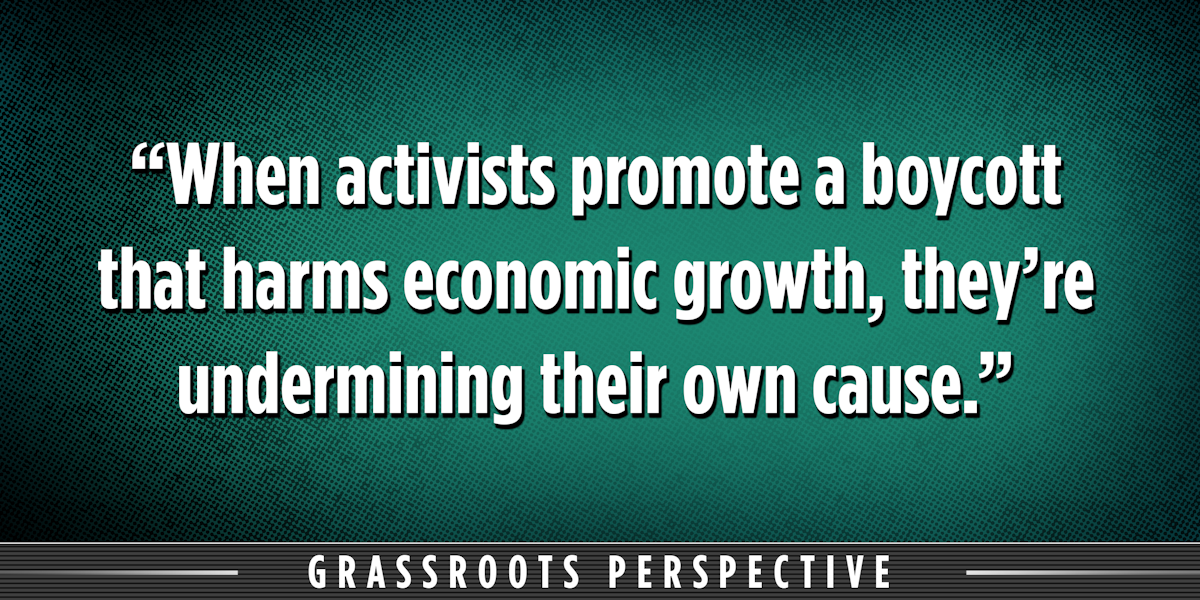
It’s also essential to understand that economic growth is not just about consumerism; it’s vital for the overall health of our society. A strong economy generates the resources needed for effective social programs, allowing governments to invest in education, healthcare, and infrastructure that benefit everyone, particularly those who are struggling. So, when activists promote a boycott that harms economic growth, they’re undermining their own cause.
In closing, the call for a nationwide boycott, while aiming to highlight important social issues, reveals a troubling inconsistency among its supporters. It’s hard to advocate for social safety nets while opposing the economic structures that support them. If we genuinely want to tackle economic inequality, we should work within the system to bring about change, pushing for reforms that strengthen social safety nets while also promoting economic growth.
Instead of dividing ourselves with protests, let’s focus on building a dialogue that brings us together, one that seeks justice without jeopardizing stability.