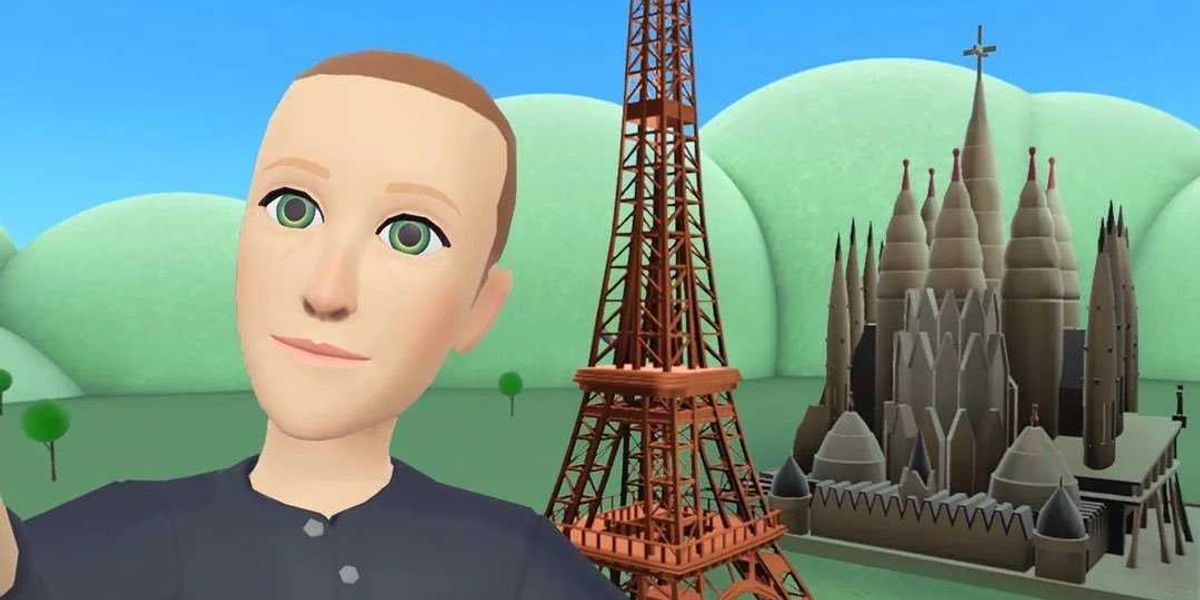
Meta, the company formerly known as Facebook, changed its name back in 2021 as CEO Mark Zuckerberg planted his flag into the “metaverse,” denoting it as the future of his company. Several short years later, all Meta gained from the brash move is an empty digital wasteland, a drop in hardware sales, and substantial losses that could fund the GDP of a small country. With debt mounting, Meta would be in serious trouble if not for the help of an unwitting ally – OpenAI.
What is the metaverse?
With AI sweeping through the tech industry, it’s been quite awhile since anyone talked about the metaverse. Just in case you forgot what it is (or perhaps you dodged the initial lackluster hubbub entirely), the metaverse was supposed to be a broad digital world that replaced reality.
Yep, you read that right.
Almost all major brands have either discontinued their hardware or vastly scaled back.
In the same vein as “Ready Player One,” the metaverse was meant to be a place where we worked in digital offices, played games in virtual arenas, hung out with friends in online cafes, sold and traded digital goods like NFTs (another forgotten relic of the past), and more. Meta even built a rudimentary version of this world called Meta Horizon Worlds, which you can access today, though most people don’t.
To dive into the metaverse, all you needed was a pair of virtual reality goggles or glasses — a device along the lines of Apple Vision Pro, Samsung Galaxy XR, or more specifically in Meta’s world, the Meta Quest series.
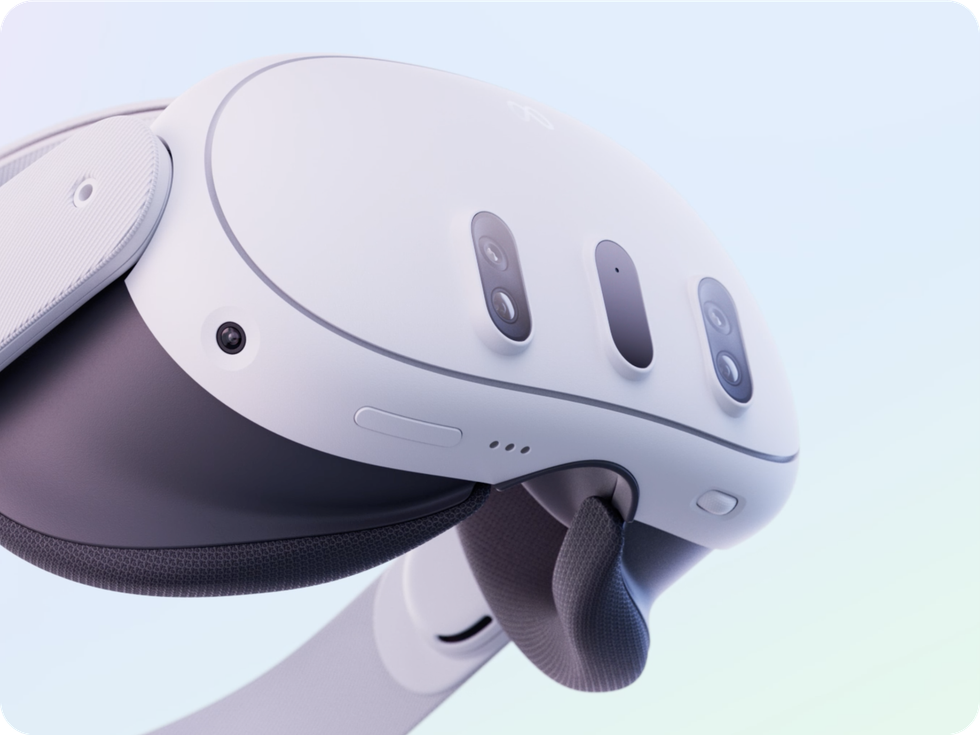 Photo Credit: Meta
Nobody cares about VR
The mere fact that you’re reading this article on your phone, tablet, or computer — not inside some digital cyberpunk cafe on a cloud server in somebody’s basement — proves that Meta’s virtual reality endeavors amounted to a massive dud. The vision Zuckerberg had in mind for Meta never got off the ground, much less became a vital piece of our digital lives.
Why, you ask? The metaverse failed for more reasons than I can count, but here are a few off the top of my head:
- Price: VR headsets are expensive. Even the “cheap” ones cost hundreds of dollars. While the price was hard to swallow in 2021, shifts in the current economy have made these even less accessible.
- Comfort: VR headsets are unwieldy. Most iterations available today are big, bulky, heavy, and they’re annoying (or even painful) to wear for several hours or more.
- Redundancy: While phones, tablets, and laptops have become a necessary piece of tech in most people’s lives, VR headsets are an added luxury. They’re a supplemental gadget at best, all without a “killer app” that sets them apart from the devices we already own.
- Reality check: As it turns out, people would rather live life in the real world than be trapped in a digital version. Sure, if we were all still stuck at home in a COVID lockdown (as we were when Zuckerberg thought up this wild idea), then maybe the metaverse would be something more than it is today. But alas, the lockdowns were lifted, COVID vanished from headlines everywhere, and real life goes on.
The metaverse was destined to fail
COVID lockdowns aside, Zuckerberg’s interest in the metaverse was shortsighted from the start. By the time he changed the name of his company and went all-in, consumer interest in VR was already at a notable low. Major brands in the gaming space, like Playstation, Steam, and Xbox all tried their hands at VR headsets, and almost all of them have either discontinued their hardware or vastly scaled back.
We’ve seen a similar reception with Apple’s attempt at the VR space. Vision Pro has suffered from staggeringly low sales, poor developer support, and slow innovation. By most accounts, Vision Pro is a massive failure for Apple (despite Tim Cook’s candy-coated outlook), and I wouldn’t be surprised if it discontinues the product in another several years.
RELATED: Meta gave sex traffickers 16 chances, says former hire
 Meta had 17-STRIKE policy for sex traffickers, ex-employee says Photo by Matt Cardy/Getty Images
Not to be outdone, Google and Samsung recently teamed up to launch their own VR headset, dubbed Samsung Galaxy XR. If you’ve never heard of this device or even seen it floating around on your social feed, that’s because it’s already headed down the same path as its predecessors. No one’s talking about it, Google and Samsung aren’t actively advertising it, and consumers have already forgotten about it.
Meta takes a multi-billion-dollar dive
The overall lack of consumer interest in the metaverse didn’t go unnoticed by Zuckerberg and company. A recent report revealed that Meta lost a staggering $77 billion on its entire strategy, including Meta Quest hardware and Meta Horizon development. To soften the blow, Meta will reportedly slash its VR budget by 30%. Layoffs are also on the way, though the actual reduced headcount hasn’t been announced yet.
Luckily for Meta, the terrible news couldn’t come at a better time. As the metaverse melts into vaporware, Zuckerberg’s AI division continues to grow. In fact, if it weren’t for the AI boom of 2022 — ushered in by OpenAI with ChatGPT — Meta might be in serious trouble right now. Towering high over the colossal failure that is Meta Horizon Worlds, Meta’s Llama has done surprisingly well with the service showing up in all of Meta’s major apps, including Facebook, Instagram, and WhatsApp. Today Meta AI boasts one billion active users per month.
That said, Meta isn’t out of the water yet as recent development delays could cause trouble for the future of Zuckerberg’s AI ambitions. Only time will tell if AI is the vital lifeline Meta needed to escape its metaverse hell or if Llama will join it in the burning pit of dissolution.