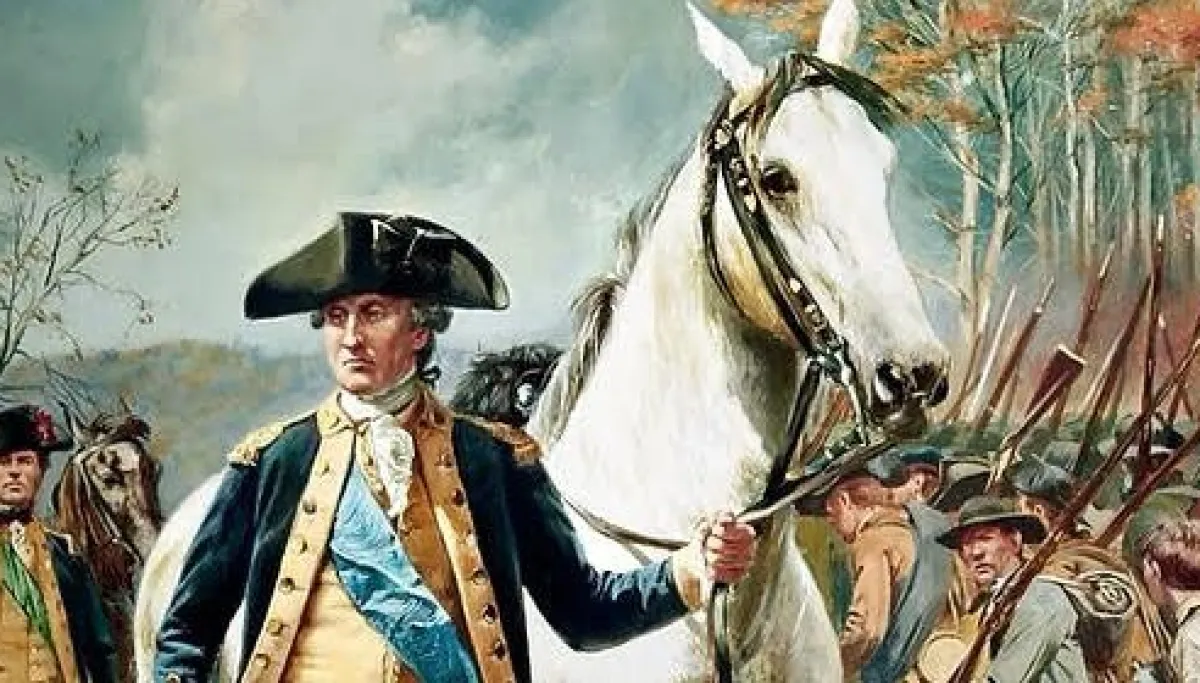
The following is an installment of “On This Day,” a series celebrating America’s 250th anniversary by following the actions of Gen. George Washington, the Continental Congress, and the men and women whose bravery and sacrifice led up to the signing of the Declaration of Independence.
March 2, 1776
Gen. George Washington writes again to Maj. Gen. Artemas Ward. Washington has weighed all options, the flow of the tides, the hazards, and the very real danger of the enemy possibly seizing Dorchester Neck in South Boston. Despite all that, he and his officers agree that the time has come for the Army to act within two days if they are to strike.
Washington gives Ward notice so that preparations will not be delayed.
George Washington to Major General Artemas Ward, 2 March 1776
Cambridge 2d March—76. Saturday Evening
Sir,
After weighing all Circumstances of Tide &ca—& considering the hazard of having the Posts on Dorchester Neck taken by the Enemy, & the evil consequences which would result from it, the Gentlemen here, are of Opinion that we should go on there Munday Night.1 I give you this Early notice of it, that you may delay no time in preparing for it, as every thing here will be got in readiness to co-operate—In haste I am Sr Yr most Obedt Servt
Go: Washington
ON THIS DAY: WASHINGTON: READY THE MILITIA, THE TIME NEARS ON BOSTON
The plan is for American artillery to open fire on Boston from Lechmere Point, Cambridge, not from Dorchester Heights. In the coming days, this plan will show that Washington was stealthily launching a very different plan that includes Gen. John Thomas and thousands of troops heading toward Dorchester Heights — all hauling hundreds of carts pulled by oxen with hay bales to stifle the sound of the wheels to prevent the British, or possible spies, from hearing a thing.
With Thomas and the troops, nearly two dozen Ticonderoga cannons were dragged from Fort Ticonderoga by bookseller turned military leader Henry Knox. Knox accomplished the feat by outsmarting the enemy. It took him over 50 days in the brisk New England winter to drag the cannons.