Gov. Gavin Newsom (D-CA) on Friday signed an executive order banning political appointees and their families from using insider information to bet on prediction markets such as Polymarket and Kalshi.
The directive, effective immediately, targets a rapidly expanding corner of online finance in which users wager on real-world outcomes ranging from sports to military actions. The executive order prohibits not only state appointees but also their relatives and business associates from using confidential government information to profit, either directly or by tipping off others.
OPINION: MARCH MADNESS COLLIDES WITH PREDICTION MARKET CHAOS
Newsom framed his executive order as an ethics crackdown and a preemptive safeguard, warning that without clear rules, the line between public service and private gain risks being erased.
“Public service should not be a get-rich-quick scheme,” Newom said. “At a time when [President Donald] Trump’s Washington is riddled with ethical failures and insider profiteering, California is drawing a bright line: If you serve the public as a political appointee, you serve the public — period. We’re not going to tolerate this kind of corruption in California.”
Newsom, who is widely considered a 2028 Democratic presidential contender, also noted that there have been reports that individuals in the federal government with access to sensitive information are “cashing in, placing well-timed bets ahead of major Trump administration actions and walking away with profits.”
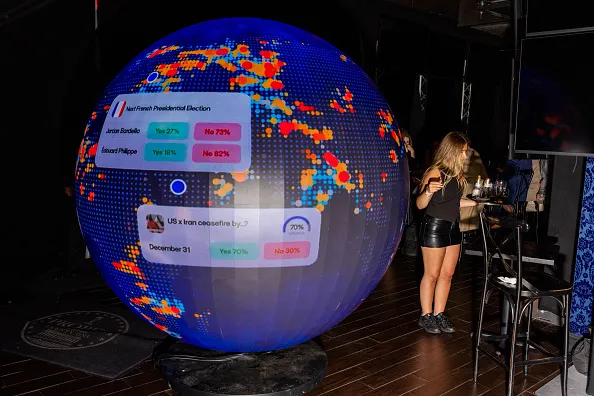
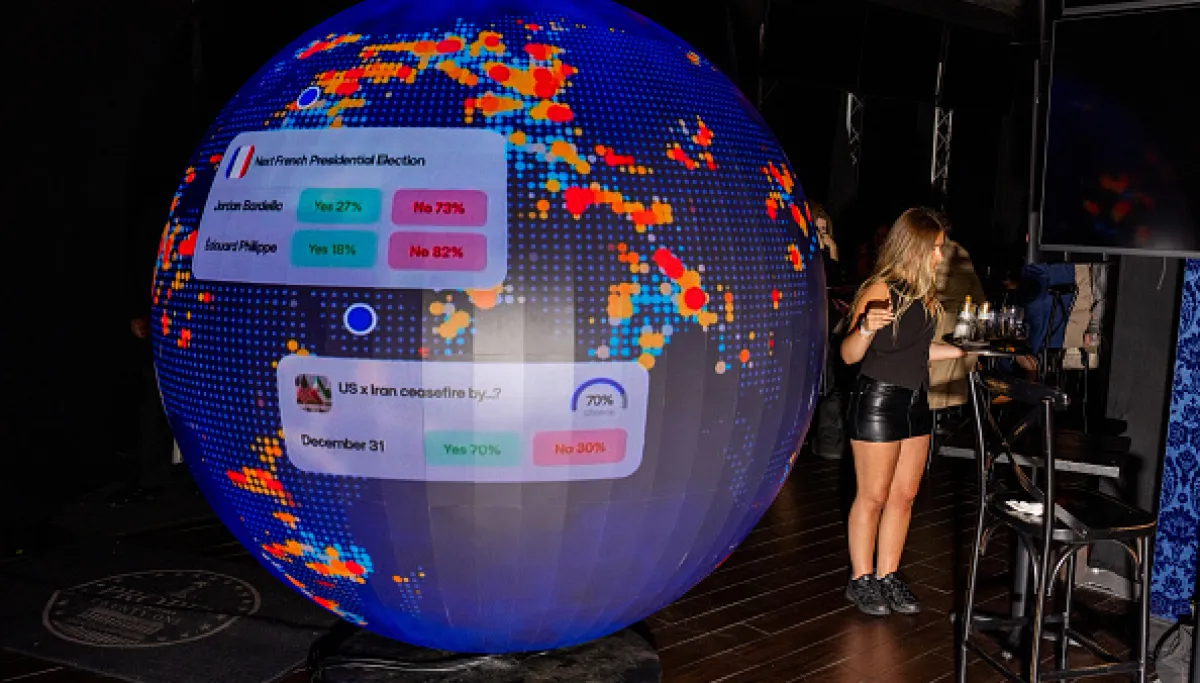
There has been mounting scrutiny of prediction markets, where suspicious betting patterns have raised alarms about insider activity. Reports have documented instances of large wagers placed shortly before major geopolitical or government actions, including U.S. military operations, fueling concerns that individuals with advance knowledge may be using these platforms to make millions.
In one instance, an individual correctly predicted multiple specific developments tied to the U.S. military intervention in Venezuela, the war with Iran, and operations targeting drug cartels. The person ended up pocketing tens of thousands of dollars.
In another example, six accounts reportedly earned more than $1 million by betting on a U.S. strike just hours before it occurred in February.
A third example highlighted an unidentified person’s 93% win rate on bets tied to Iran and Israel, netting nearly $1 million since 2024.
Such activity has intensified fears that the fast-growing industry, already criticized as vulnerable to manipulation, could be exploited by insiders with access to nonpublic information.
Several states have already taken legal action against prediction market platforms, issuing cease-and-desist orders and filing lawsuits alleging the companies are operating in violation of state law. Arizona’s attorney general has gone a step further, bringing criminal charges against Kalshi, the largest operator in the space.
KALSHI SAID IT WOULD BAN POLITICIANS AND ATHLETES FROM TRADING. WHAT TO KNOW
On Capitol Hill, Democratic lawmakers have introduced multiple proposals to tighten oversight, including limits on who can participate in these markets. A bipartisan group of senators is also advancing legislation that would require members of Congress and government officials to disclose any wagers they place on prediction platforms, as scrutiny over potential conflicts of interest continues to grow.
On Monday, Kalshi rolled out a new initiative to prevent insider trading, expanding safeguards to block politicians and athletes who may have access to nonpublic information, and introducing new screening tools and enforcement mechanisms.