The Trump administration expanded its travel ban to include an additional five countries, as well as new limitations on existing nations, the White House announced on Tuesday afternoon.
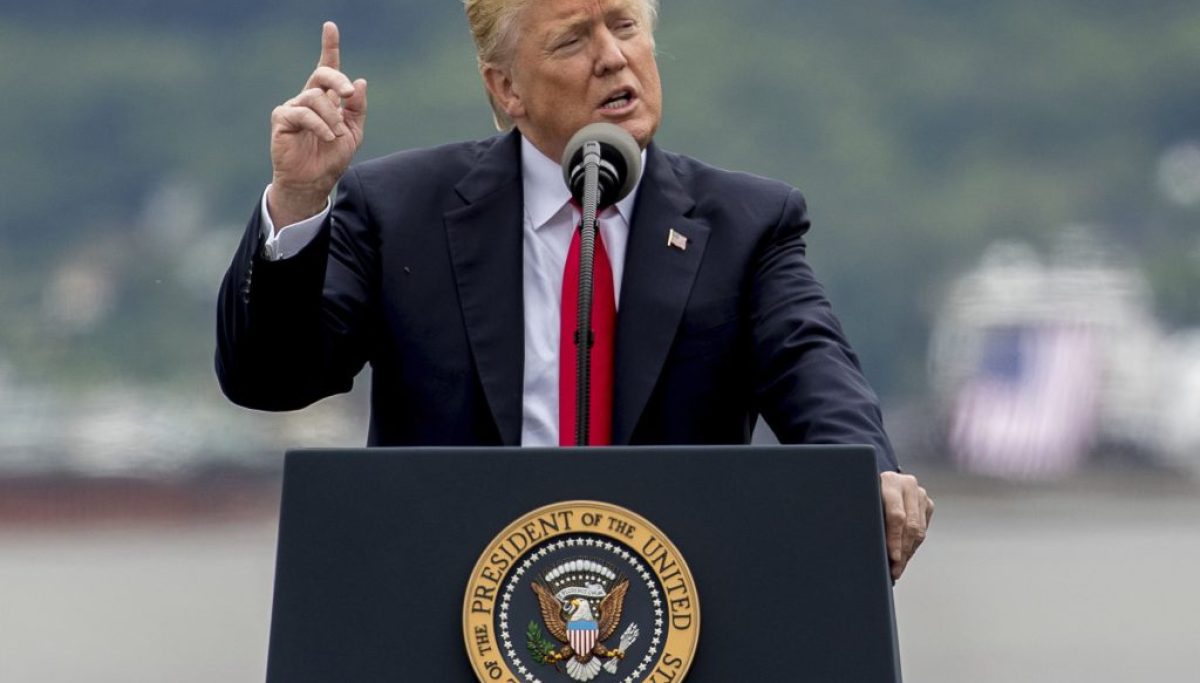
President Donald Trump signed a proclamation to strengthen the nation’s borders and national security with “data-driven restrictions” against countries that have “severe deficiencies” in screening and vetting their citizens.
“The restrictions and limitations imposed by the Proclamation are necessary to prevent the entry of foreign nationals about whom the United States lacks sufficient information to assess the risks they pose, garner cooperation from foreign governments, enforce our immigration laws, and advance other important foreign policy, national security, and counterterrorism objectives,” the White House proclamation says.
Restrictions first imposed in June against 12 countries will remain in place. Those countries are Afghanistan, Burma, Chad, the Republic of the Congo, Equatorial Guinea, Eritrea, Haiti, Iran, Libya, Somalia, Sudan, and Yemen.
Trump’s latest proclamation added Burkina Faso, Mali, Niger, South Sudan, and Syria to the list. In addition, the Trump administration barred people with Palestinian Authority-issued travel documents from entering the United States.
Another 15 countries are also facing partial travel bans, including Angola, Antigua and Barbuda, Benin, Côte d’Ivoire, Dominica, Gabon, Gambia, Malawi, Mauritania, Nigeria, Senegal, Tanzania, Tonga, Zambia, and Zimbabwe.
The White House cited “widespread corruption, fraudulent or unreliable civil documents and criminal records” as the basis for expanding the ban.
The move comes eight years after Trump first imposed a travel ban on seven countries in 2017.
It also comes several weeks after two National Guard members were shot blocks from the White House while on assignment as part of the president’s anti-crime initiative.
The suspect was arrested and identified as Rahmanullah Lakanwal, a citizen of Afghanistan who worked with the CIA during the war and was airlifted out of Kabul by U.S. forces in 2021. He applied for asylum once in the U.S. and was approved for it in April, stirring up new concerns about how he was vetted and when he was radicalized to carry out an attack.
SUSPECTED NATIONAL GUARD SHOOTER REVEALS DEEPER PROBLEMS WITH VETTING OF ASYLUM SEEKERS
Following the attack, Homeland Security Secretary Kristi Noem said she advised Trump to implement a “full travel ban” from countries that are “flooding” the U.S. with “criminals” after the National Guard attack.
On Thanksgiving Day, Trump posted on social media that he planned to “permanently pause” immigration from “third-world countries.”