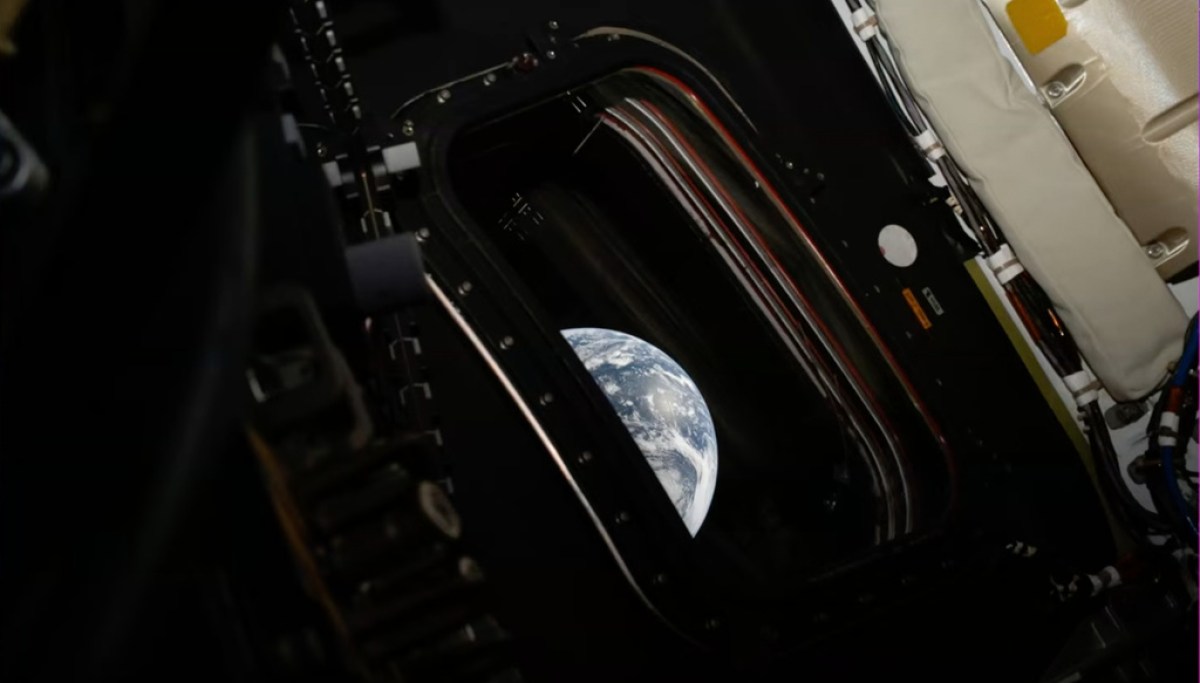
NASA on Friday said astronauts on Artemis II will be able to view the moon on Monday, offering insight into the historic mission that is sending humans back into deep space for the first time in 53 years.
NASA officials gave an update on Artemis II in a press conference, saying the four-person crew woke up this morning in space to the song “In a Daydream” and is in “great spirits” after the rocket lifted off Earth at Cape Canaveral, Florida, on Wednesday. In the latest update, officials justify the mission’s rationale, amid questions about why it is not making a lunar landing, and revealed that Artemis II is set to make its closest approach to the moon on Monday afternoon, around 2:30 p.m.
“It’s essentially when we start our closest approach to the moon, it’s pretty much the entirety of that day we’ll be able to see the moon,” NASA flight director Judd Frieling said. “And so what we’re doing is we’re doing visual observations, taking camera shots of the moon and the like.”
Astronauts will not land on the moon during the 10-day mission, as the United States last did with Apollo 17 in 1972. Washington is not looking to put people on the moon again for another two years. The current mission, NASA said on Friday, and “being able to see with human eyes the lunar surface” is helping build momentum, or “capturing the imagination,” as Deputy Director for NASA’s Artemis program Lakeisha Hawkins put it, for the next historic moon landing. The Artemis II mission is especially critical for testing for technical issues with NASA’S rocket transportation system ahead of 2028, the agency said.
“Until you put people in the mix, and you operate it, and really understand what you need to do to operate in this kind of environment, you don’t get that until you’re in that environment,” NASA Orion program manager Howard Hu said.
During the press conference, questions remained about the value of a flyby mission, with one reporter questioning what the mission “is bringing that we don’t already have from satellites and past missions?” Hu responded, “You have to walk before you can run.
“How do we put people in space, especially to the moon, first?” Hu said. “We haven’t done that in over 53 years. This is a whole new generation of learning that we’re trying to do. Certainly, we learned a lot from our Apollo giants. But we have our own learning to do.”
Frieling reiterated the value of human eyes over satellite imagery, saying astronauts on Artemis II will be able to scope out critical details helpful to preparing for the 2028 mission.
HOW JARED ISAACMAN’S NOMINATION AS NASA CHIEF HAS CHANGED THE ARTEMIS MOON MISSION
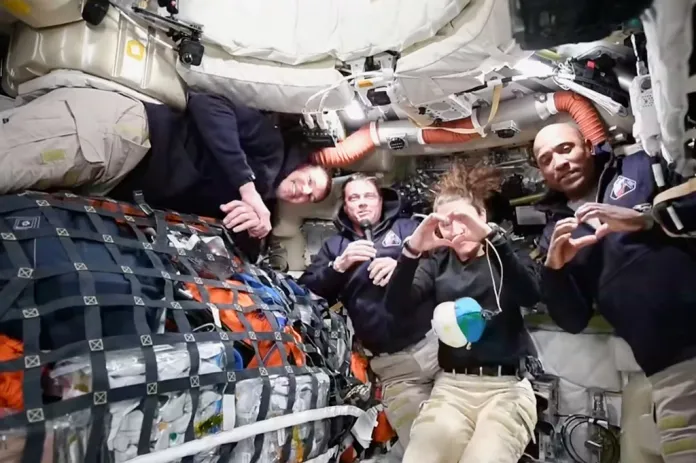
“Our eyes, the human eyes, can resolve details much better than taking a picture and then looking at the picture, even with a telephoto lens,” Frieling said. “And so that observation that the scientists are looking for is really what’s key, even from as far as away as 4,000 miles, there are still things that a human eye can pick up with granularity that are important to the science community.”
President Donald Trump’s administration on Friday released its budget request for NASA. The White House Office of Management and Budget’s fiscal 2027 request proposes to cut NASA’s overall budget by 23%, down to $18.8 billion. But it added a significant chunk of proposed funding toward moon landing programs for 2028, including a $731 million investment in Artemis, and $175 million to establish a lunar base camp.