Like most Americans, I’m fairly numb to the breathtaking orders of magnitude by which the federal government wastes my money, so the $2.5 billion price tag on the Federal Reserve’s renovation project is mostly unremarkable to me. I’m not saying it should be — I’m just saying you could do the renovations more than three times over with the money a handful of Somali scam artists apparently stole in Minnesota.
So my biggest beef with Jerome Powell isn’t that he can’t stick to a budget (who among us hasn’t come in half a billion over our estimated expenses?). It’s that he’s spending more than the GDP of a small country on a renovation that’s exceptionally ugly.
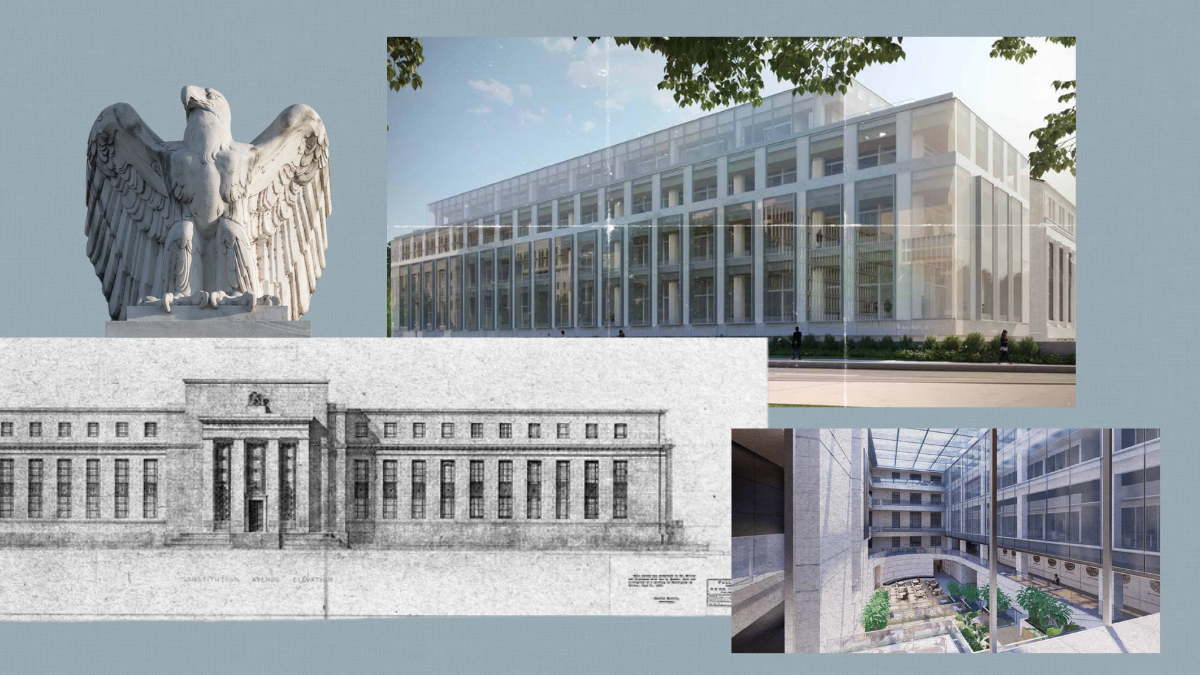
The main Fed building — renamed the Eccles Building in 1982 — was completed in 1937 and built to house the Federal Reserve’s Board of Governors. The portfolio of its French-educated architect, Paul Philippe Cret, includes war memorials in France, Belgium, and the United States, D.C.’s Folger Shakespeare Library, art museums, and the UT-Austin Tower.
Cret was trained in the Beaux-Arts style, which he blended with the muted classical (sometimes called Stripped Classical) style that responded to the economic hardships of the 1930s by paring down lavish ornamentation. While understated, the Eccles Building has strong neoclassical silhouettes and was ornamented with intricate sculptures, ironwork, and details such as a large mural map in the boardroom:
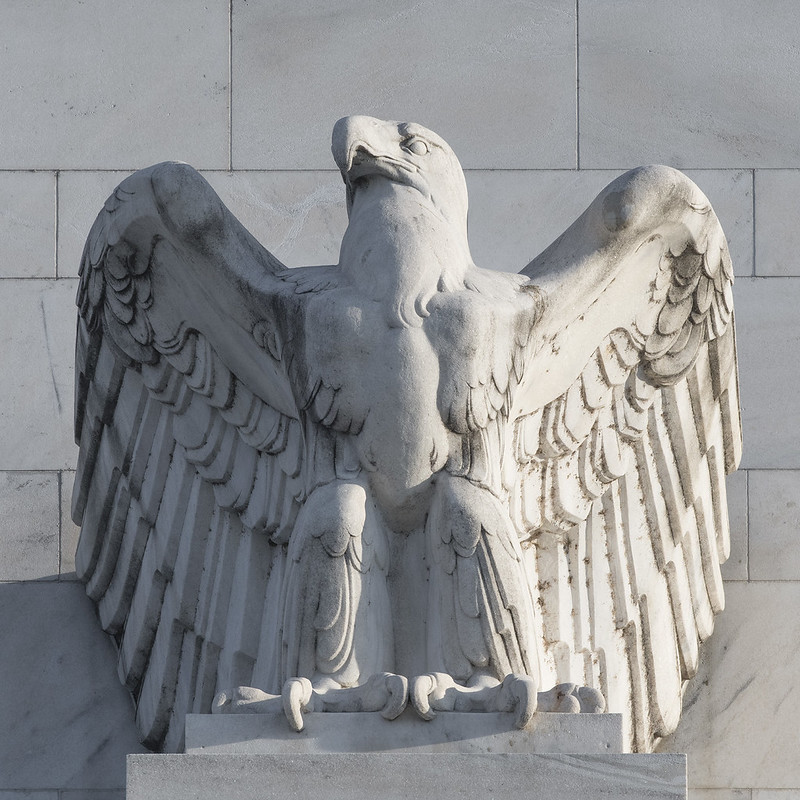
Image CreditFederal Reserve/Public Domain
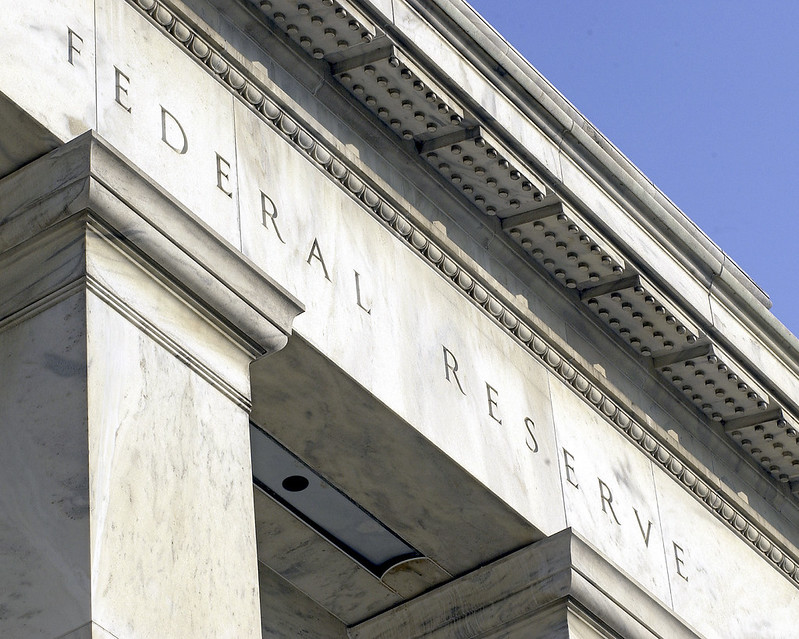
Image CreditFederal Reserve/Public Domain
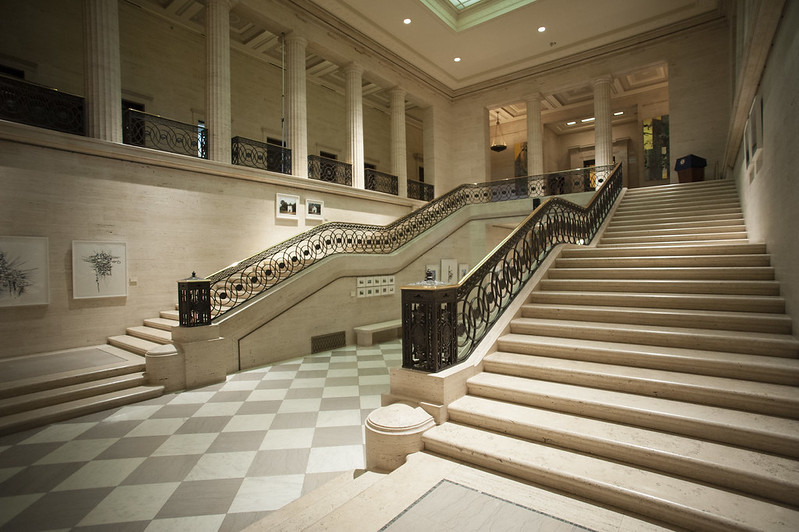
Image CreditFederal Reserve/Public Domain
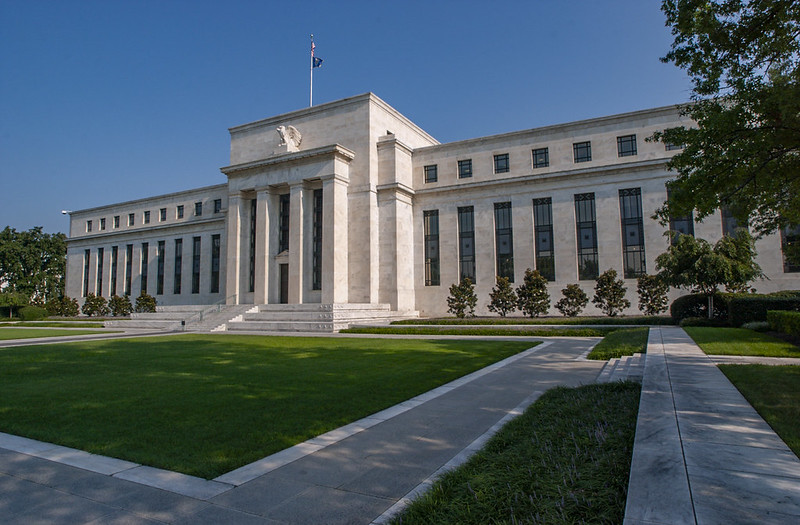
Image CreditFederal Reserve/Public Domain
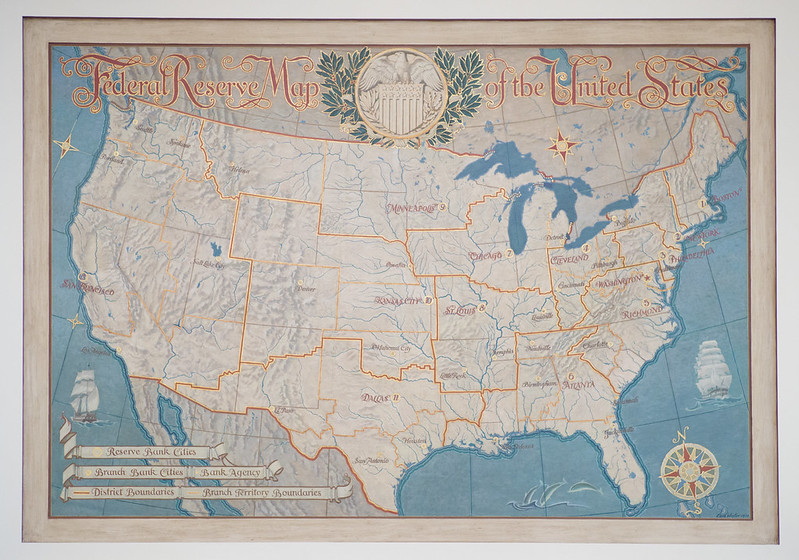
Image CreditFederal Reserve/Public Domain
In 2018, the Fed acquired a next-door building that was built in the 1930s and has been occupied by a variety of tenants, including the Department of the Interior. Like the Eccles Building, the structure (now called the East Building) was built in an understated neoclassical style.
The proposed renovation of the two buildings, which had an initial cost estimate of $1.9 billion, has now grown to $2.5 billion, a figure some fear will continue to balloon. President Donald Trump has slammed Fed Chair Jerome Powell for the project’s growing price tag, saying it shows he “either is incompetent or he’s crooked.” Maybe that’s true. But Powell — or the lieutenants supervising the project design — is certainly guilty of one thing: poor taste.
The National Capital Planning Commission’s renovation review proposes the modernization project will be “built on classical principals [sic] but with contemporary materials and technology.” Elsewhere, discussing the changes to the East Building, it says the renovation is “responding to the architecture of the historic building … but uses more contemporary materials.”
An artist’s rendering of the result, included in the commission’s final review, shows the Eccles building fitted with garish, modern windows suited more for a high-rise office than a marble federal building:
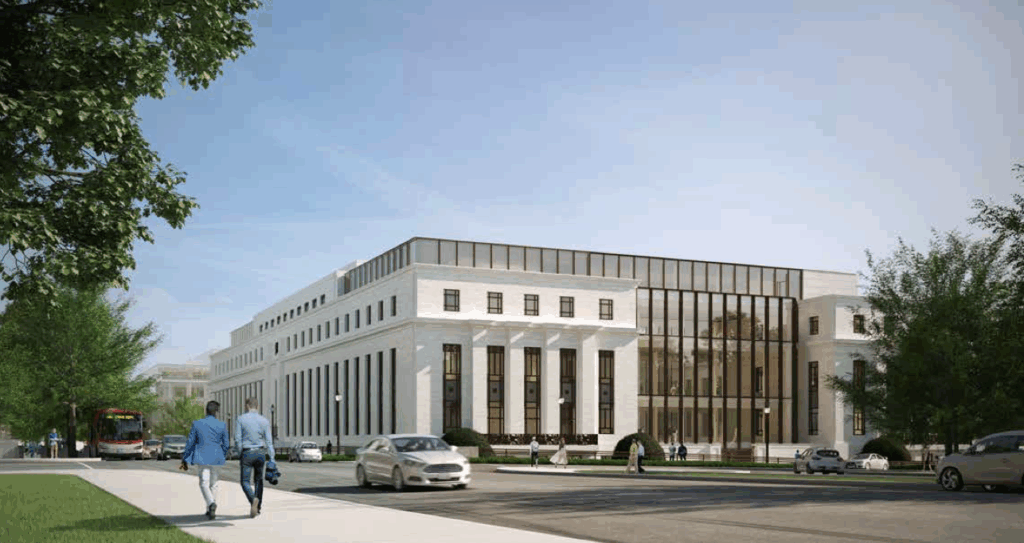
Image CreditNational Capital Planning Commission
Even worse are the proposed changes to the East Building, which will see its central wing totally demolished and in return will get a giant, five-story glass box:
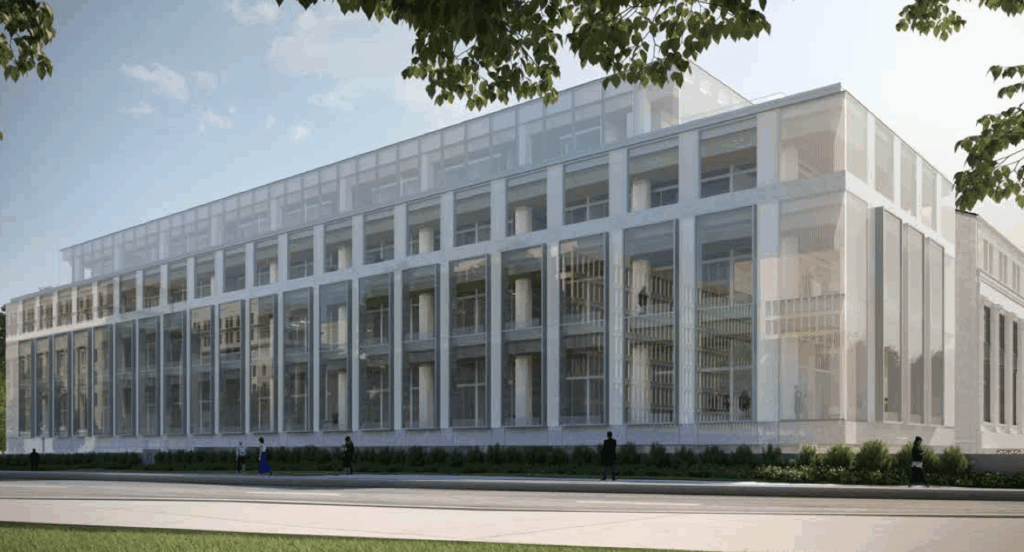
Image CreditNational Capital Planning Commission
Inside, a planned atrium looks like something between a cruise ship and a Scandinavian prison. The addition of a skylight is a nice feature, hearkening back to one that once existed in the Eccles Building. But the blocky lines, cold tones, and Ikea-type furniture are completely at odds with the building’s architectural legacy.
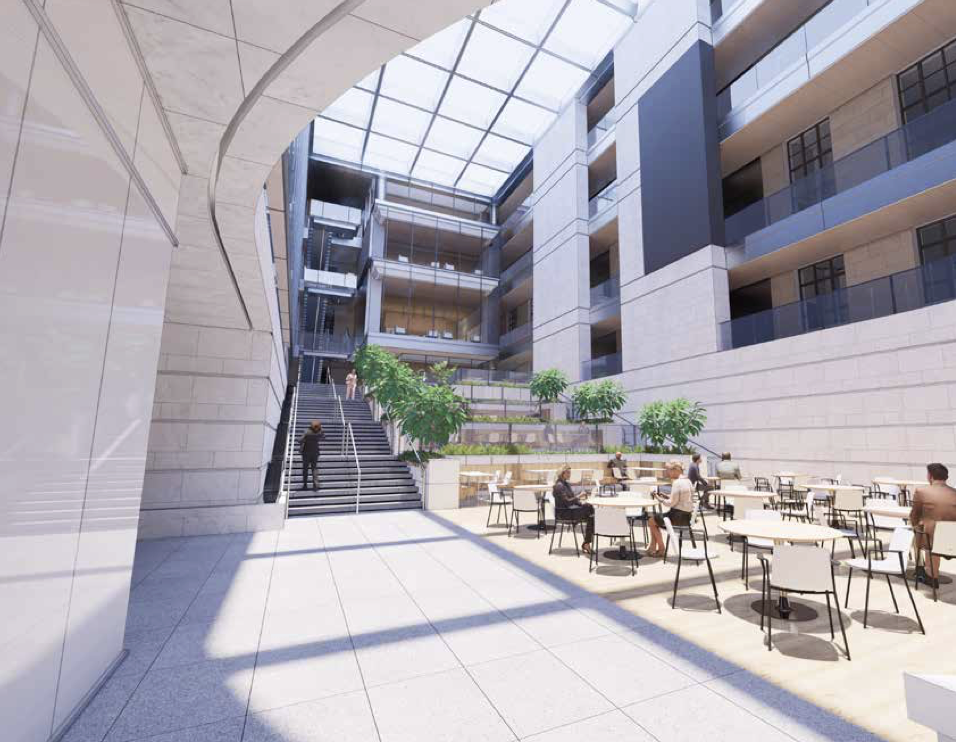
Image CreditNational Capital Planning Commission
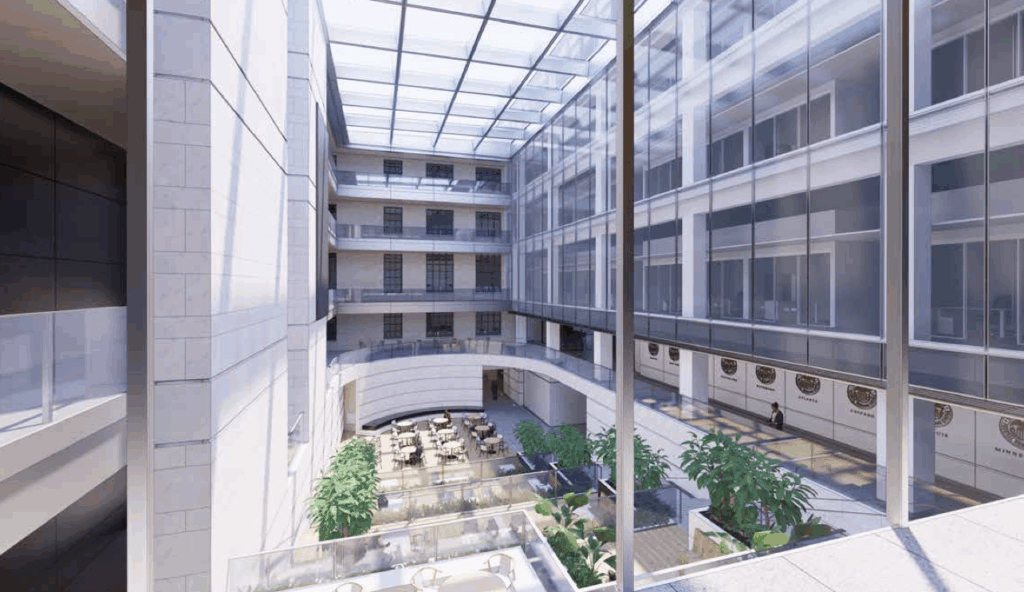
Image CreditNational Capital Planning Commission
The architects aren’t unaware of such critiques. During a meeting of the U.S. Commission of Fine Arts in 2020, when the commission reviewed proposed plans, Commissioner Duncan Stroik expressed concerns that the additions “would look like an eyesore,” according to the meeting minutes.
Stroik, who is known for his work on various chapels, including the Christ Chapel at Hillsdale College, suggested the commission ask for an “alternative design in white Georgia marble” to match the existing buildings, rather than exposed metal and glass, but the amendment was voted down.
The planned renovation isn’t just ugly; it also defies an executive order signed in August that declared “classical and traditional architecture” to be “preferred” for federal buildings. The order reflects popular sentiment: Some 72 percent of Americans told pollsters they preferred traditional architecture for federal offices over modern designs. Similarly decisive majorities concurred across age, sex, race, and politics.
There is value in having beautiful federal buildings, even at significant expense. Visual aesthetics matter; it’s why the State Department is returning to a standard Times New Roman font for official correspondence, replacing the minimalist Biden-era Calibri. Marble and bronze inspire as glass cubicles and dinky furniture cannot.
More than just providing a sense of gravitas, beautiful aesthetics can physically represent the ideals of the agencies that inhabit them. Order and symmetry befit a courthouse and its obligation to justice, moral clarity, and natural law. Think of how walking into a beautifully appointed hotel adjusts your expectations, compared to your local DMV. Imagine if all your local government offices looked like this.
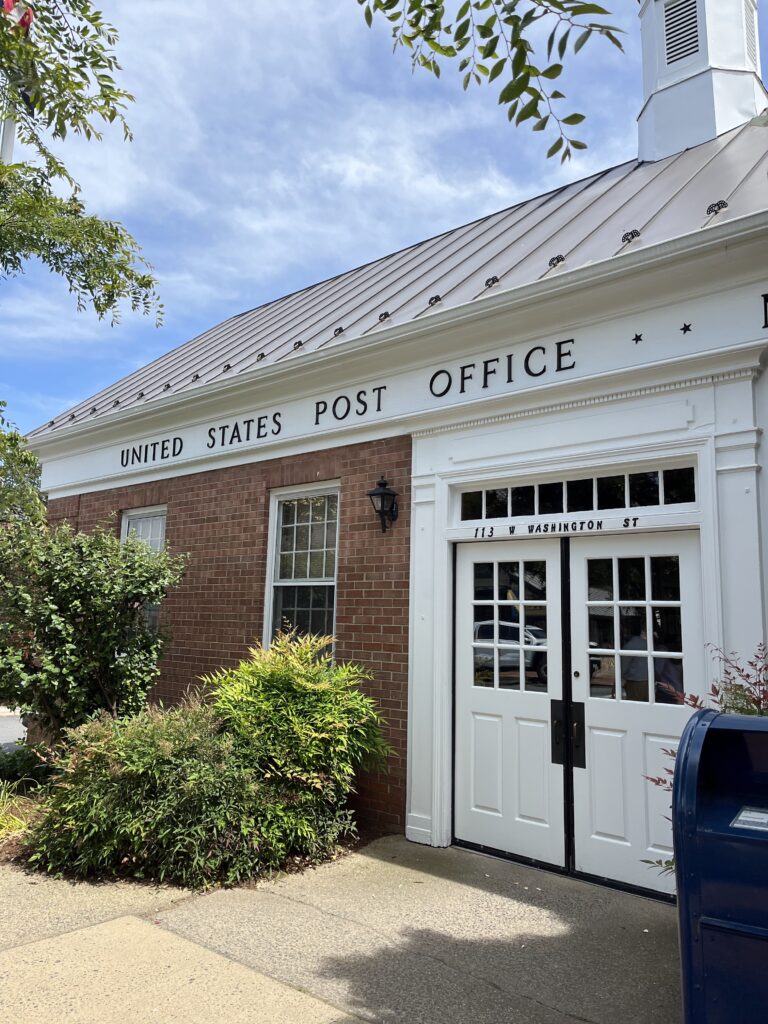
Classical design evokes a continuity with the past — an aesthetic inheritance as a reminder of a civil one. Governments and the administrators they employ are not just stewards of American taxpayers’ power and wealth but also of that of previous and future generations.
Respect for our cultural progenitors usually correlates with the concern we pay our cultural heirs. If life imitates art, the Fed is in poor hands — bureaucrats who design buildings for themselves rather than for posterity will likely take the same approach to the country itself.
Elle Purnell is the assignment editor at The Federalist. She has appeared on Fox Business and Newsmax, and her work has been featured by RealClearPolitics, the Tampa Bay Times, and the Independent Women’s Forum. She received her B.A. in government with a minor in journalism. Follow her on Twitter @_ellepurnell.