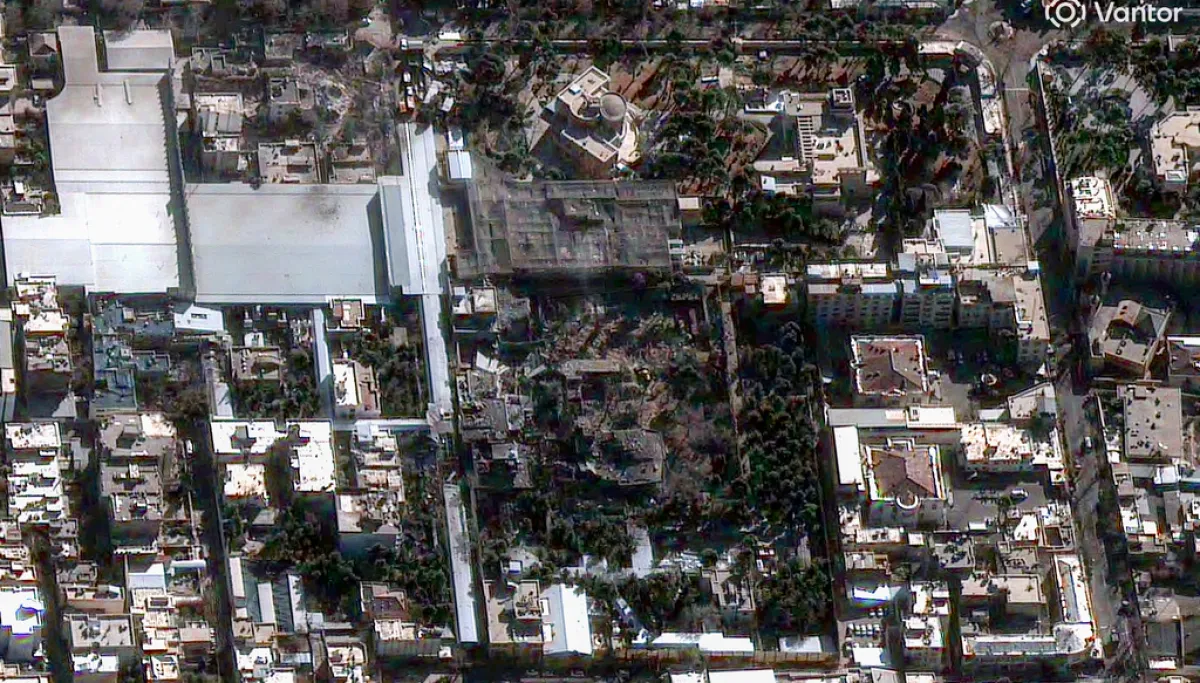
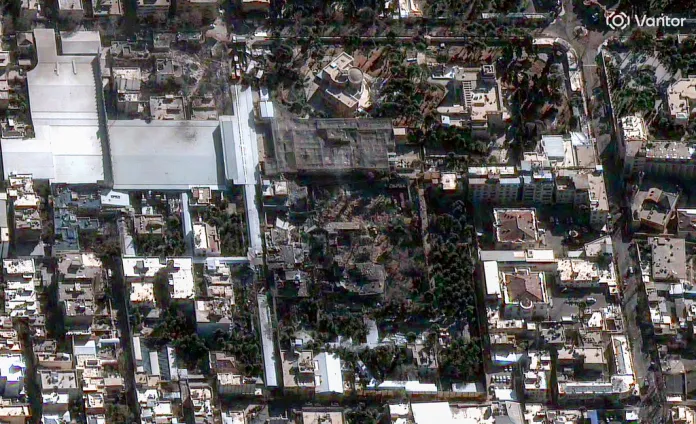
The assassination of Iranian Supreme Leader Ayatollah Ali Khamenei wasn’t a stroke of luck for the United States and Israel in Saturday’s attack but rather the culmination of months of intelligence surveillance and coordination that created the perfect moment to strike the center of Iran’s leadership.
The CIA spent months tracking Iran’s senior leadership before a narrow intelligence window led American and Israeli officials to adjust the timing of strikes that ultimately killed Khamenei and other key leadership officials.
The emerging timeline, as reported by several media outlets, shows the operation was driven less by a sudden battlefield decision and more by a prolonged intelligence effort that culminated in a serendipitous moment of Iranian vulnerability.
TIANA LOWE DOESCHER: TRUMP’S ATTACK ON IRAN IS AN ATTACK ON CHINA’S ECONOMIC SUPERIORITY
U.S. intelligence tracked leadership travel patterns, meetings, communications, and security movements as tensions between Iran, Israel, and the United States escalated across the region.
During the surveillance period, intelligence agencies were searching for information that multiple senior decision-makers could be located at the same place at the same time — something officials believed rarely occurred because of assassination concerns surrounding Iran’s leaders.
Intelligence shared with Israel
The CIA shared its intelligence assessments with Israeli officials as military planning intensified.
That intelligence directly influenced operational decisions, with officials adjusting the timing of the strikes in part because surveillance indicated where Iranian leaders were located shortly before the attack window.
EDITORIAL: THE ISLAMIC REPUBLIC WAS ALWAYS DESTINED FOR THE ASH BIN OF HISTORY
U.S. intelligence has identified a planned high-level leadership meeting in Tehran involving Khamenei and senior military commanders, giving planners confidence that the target would be present.
The strike window opens
Initial military plans had contemplated strikes at a different time, but real-time information pointing to the leadership gathering accelerated the operation, according to officials familiar with the planning cited in international reporting.
U.S. and Israeli forces launched coordinated strikes Saturday targeting sites tied to Iran’s political and military command structure while Khamenei met with members of his inner circle. The Department of War has named the attacks Operation Epic Fury.
The attack represented what officials described as a “window of opportunity” to simultaneously hit Iran’s leadership hierarchy rather than individual figures over time.
Three U.S. service members have been killed in the operation against Iran, and several others have been injured, according to U.S. Central Command.
Iran’s state-run news agency has reported approximately 260 deaths, 165 of which were killed in a strike at an all-girls school.
TRUMP AND MAMDANI’S UNLIKELY POLITICAL ALLIANCE: ‘A NEW YORK CITY SOAP OPERA’
Aftermath and uncertainty
Iran confirmed Khamenei’s death in the hours after the strikes, which triggered retaliation across the region and raised fears of widening conflict.
Lawmakers and intelligence officials have since warned that eliminating Iran’s longtime supreme leader could create uncertainty over who assumes control next and whether hard-line factions consolidate power.
President Donald Trump said he has candidates in mind to lead Iran, but interim leadership said a new supreme leader could be appointed in the coming days.
THREE US SERVICE MEMBERS KILLED IN OPERATIONS AGAINST IRAN, CENTCOM SAYS
Trump said he and Iran’s leaders are open to negotiations, but a date and time have not been set. On the same day, the president said nine Iranian navy ships had been sunk.
In its retaliatory attacks, Iran has targeted its Middle Eastern neighbors, including U.S. military posts located in the region.