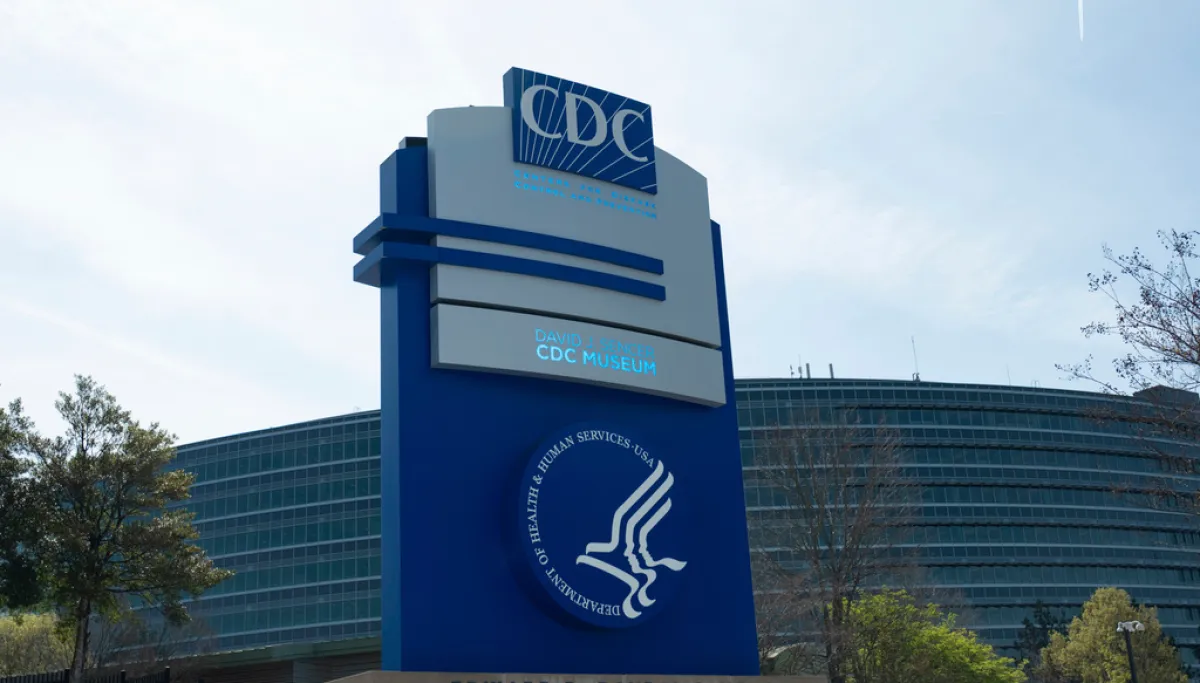
The action would be a notable break with precedent. Since 1991, the CDC has recommended a universal Hepatitis B vaccination for all newborns within the first 24 hours of life. The Advisory Committee on Immunization Practices, the expert panel that advises the agency on vaccines, will be voting Thursday afternoon to instead recommend “individual-based decision-making, in consultation with a healthcare provider” for parents to decide to give the birth dose of the vaccine for Hepatitis B-negative mothers or those who do not know their status.
Hepatitis B is a serious liver infection, which in adults often lasts less than six months. But for some, particularly infants and children, it can become a chronic condition that leads to severe liver problems, including cancer.
DEMOCRATS NEED TO TEMPER THEIR EXPECTATIONS OF A 2026 BLUE WAVE
The vaccine has come under scrutiny from anti-vaccine advocates within the Make America Healthy Again movement, in part because Hepatitis B among adults is spread through sexual contact or intravenous drug use. But infants and children can be exposed to the virus both through birth to Hepatitis B-positive mothers or through close contact with an infected caregiver.
Infants born to those mothers who are unknowingly Hepatitis B-positive are 90% more likely to go on to develop chronic Hepatitis B and eventually die from liver cancer or liver disease.
Giving newborns the first dose of the Hepatitis B vaccine in their first 24 hours of life was recommended by the CDC after the more targeted approach of only vaccinating known-positive mothers did not significantly reduce infection rates. The agency originally recommended testing each mother before making the decision to vaccinate, but the body eventually switched to a universal vaccine policy to prevent patients from falling through the cracks.
The draft language does not explicitly recommend against a dose of the vaccine given to an infant within the first 24 hours of life, but recommends that parents who choose against the initial birth dose get their children vaccinated by two months old.
“Parents should consult with health care providers and decide when or if their child will begin the HBV vaccine series. Parents and health care providers should consider vaccine benefits, vaccine risks, and infection risks,” reads the draft vote language.
Vicky Pebsworth, leader of the ACIP’s Hepatitis B working group, said during the meeting that the CDC’s recommendation needs “to address stakeholder and parent dissatisfaction.”
Pebsworth is affiliated with the anti-vaccine group the National Vaccine Information Center, which provides legal support for parents who believe that vaccines caused their children’s autism or other adverse health conditions.
ACIP was supposed to vote on the birth dose of Hepatitis B during its September meeting, but the discussion leading up to the original vote turned heated following missing evidence, including the risk of infection for infants born to Hepatitis B-negative mothers.
TRUMP PARDONS AND COMMUTATIONS: NOTABLE ACTS OF CLEMENCY IN HIS SECOND TERM
Robert Malone, the acting chairman of ACIP and a vocal skeptic of the COVID-19 vaccines, said during the start of Thursday’s meeting that the September vote rescheduled for the December meeting was “not about hesitation or reluctance, it was about standards.”
“When gaps in the evidence emerge, the responsible action is not to push forward. It’s to pause review, ensure that we fully understand what the data can and cannot support and then formulate independent advice to the CDC director,” Malone said.
This is a developing story