The Senate-passed bipartisan housing legislation faces an uphill path to passage in the House of Representatives, where Republicans in the majority are fearful of being forced into a bad deal.
The Senate voted 89-10 to pass the 21st Century ROAD to Housing Act, which would lessen some government regulations on housing and incentivize state and local governments to ease land-use regulations.
HERE ARE THE NINE REPUBLICAN AND ONE DEMOCRATIC ‘NO’ VOTES ON THE MAJOR HOUSING BILL
But some in the House are feeling like they are being jammed by the Senate and want changes to the legislation before it reaches the desk of President Donald Trump, who himself has been ambivalent about lowering housing prices and reportedly told House Speaker Mike Johnson (R-LA) that “no one gives a s*** about housing.”
It doesn’t appear likely that the version of the housing bill the Senate passed will get approved in the House.
“Key policy differences must be resolved for the bill to secure sufficient support in the House,” one House GOP aide told the Washington Examiner.
The 21st Century ROAD to Housing Act is a combination of the Senate’s ROAD to Housing Act and the House’s Housing for the 21st Century Act. The legislation was the Senate’s attempt to reconcile the differences between the two bills before sending them back to the House.
But some of the changes have rankled the House.
Perhaps the most important inclusion is Trump-backed language that would ban large institutional investors from purchasing single-family homes in bipartisan housing legislation.
But one particular aspect of the ban has faced backlash from some conservatives and industry groups, namely that it would require investors who own build-to-rent homes, which are otherwise exempt from the ban, to sell those homes within seven years.
Also, some conservatives are unsatisfied with a ban on central bank digital currencies was included in the Senate legislation, because the provision would only be temporary.
A CBDC is a form of digital currency issued by a central bank. In the United States, that would be the Federal Reserve. Consumers would be able to use digital money issued directly by the Fed in addition to cash. Proponents of a CBDC argue that a centralized dollar would help prevent bank bailouts and increase efficiency.
But opponents, many of whom are Republicans, contend that it could give the Fed too much power or could raise Fourth Amendment concerns, depending on how much control the government would have over individual accounts.
Some Republicans in the House would like to see the CBDC provision be permanent, rather than temporary.
A second House Republican aide told the Washington Examiner that Republicans in the House are hoping for a process to change the legislation, which was drafted by Senate banking committee Chairman Tim Scott (R-SC) and the ranking Democrat on the panel, Sen. Elizabeth Warren (D-MA).
“The Senate has decided that their solution is better than what the House has sent them, and this time around the House Financial Services Committee does not feel as if they need to go along with what Elizabeth Warren wants us to pass,” the aide said.
The aide said that the best chance that the House has to get its say in the legislation is through amendments, likely on the floor.
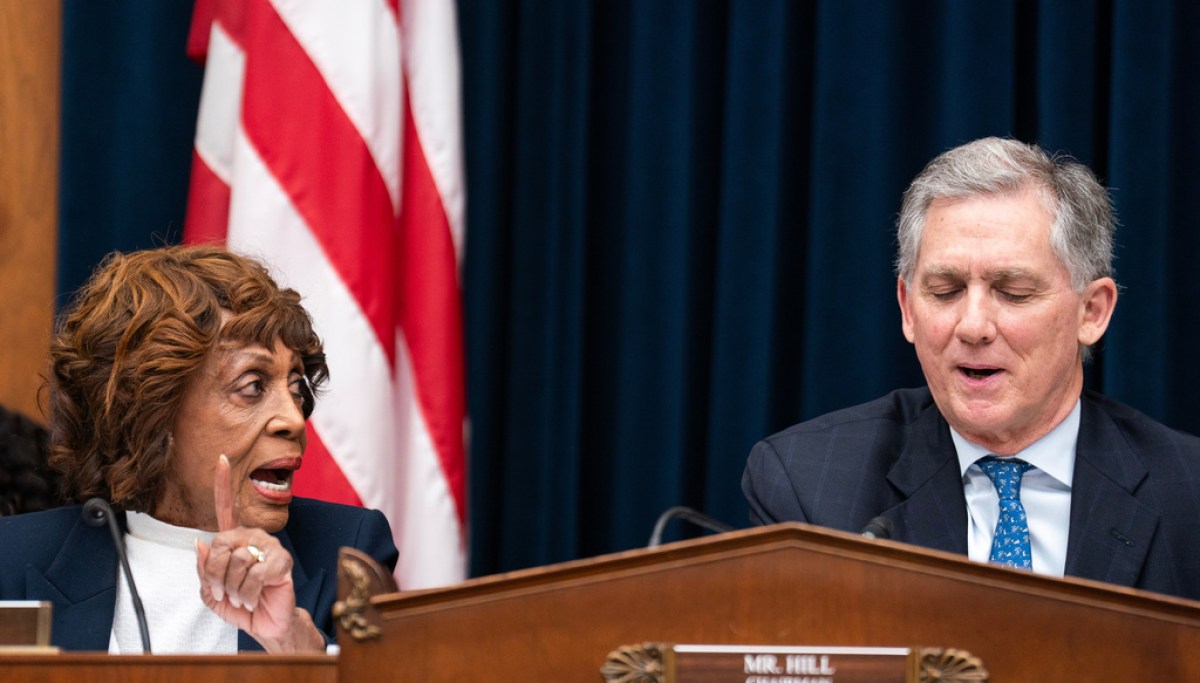
Also notably missing from the Senate’s revised version of the bill is a section included in the House bill about strengthening the community banking’s role in housing. Financial Services Committee Chairman French Hill (R-AR) has been a major backer of that section.
But the Senate sees the legislation as a good compromise that the House should accept. A senior GOP aide in the Senate said that the new version of the bill isn’t a rejection of the House’s work, but rather “what bicameral legislating looks like.
“A lot of the frustration here is less about the substance of the bill and more about process and expectations,” the Senate aide said. “The reality is that most of the underlying housing provisions had already been seen, discussed, or worked through in one form or another.”
TIM SCOTT DEFENDS BAN ON LARGE INVESTORS BUYING HOUSES AGAINST INDUSTRY CRITICISM
Also overshadowing the housing legislation is the fact that Trump and Republicans have been more focused on national voter ID legislation.
“This is still a bicameral housing package with broad support, and at the end of the day, the focus remains on getting a bill signed into law that expands housing supply and lowers costs,” the senior aide said.