An assault on the President of the United States is a shock to the political and social fabric of the nation. Inevitably, the law enforcement agencies that should have prevented it and those who investigate it fall under scrutiny.
In November 1963, the assassination of President John F. Kennedy devolved into a law enforcement fiasco with conflicts between the FBI, the Secret Service, the Dallas police, and others who would conduct the investigation. It was not yet a federal crime to kill a US president, but in response to that attack, a law was enacted in 1965 making assaulting the president a federal crime, and the new statute was clear: The FBI would lead the investigation.
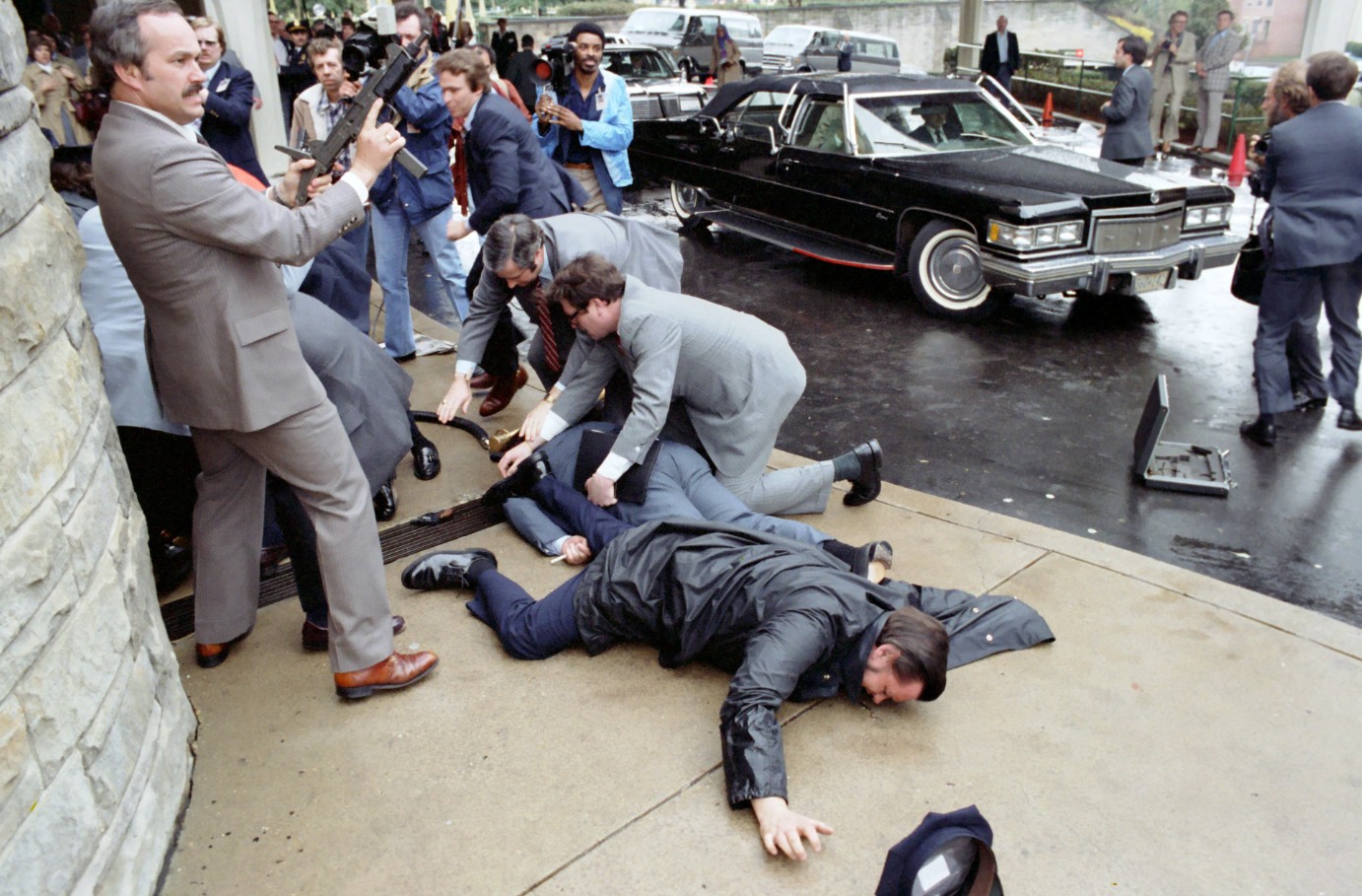
Eighteen years later, on Monday, March 30, 1981 — forty-five years ago today — President Ronald W. Reagan was shot and wounded, and because of that statute, I became the manager of the investigation of that assassination attempt.
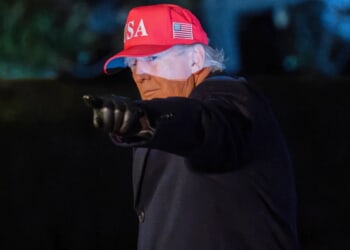
In the transition from the initial crisis response into a major case investigation, easy assumptions must be avoided. In the Reagan attack, the shooter was immediately apprehended. In the attack on Trump, in Butler, Pennsylvania, on July 13, 2024, the Secret Service killed the apparent shooter. The public and many in the media then think the case is pretty much a done deal.
Everybody now knows that Reagan’s shooter, John W. Hinckley Jr., was a mentally disturbed young man. But at the time we didn’t know that. Nor did we know he was acting alone. We knew somebody had tried to kill the President of the United States. We had to ask if it was a conspiracy.
On the day of the Reagan attack we learned where Hinckley had been staying. We got a warrant and searched his hotel room. Before touching anything, we filmed and photographed the entire room. Then we dusted for fingerprints in case there was an accomplice. Everything was by the book. We wanted to have everything covered in case an additional name came up in connection with the shooting. We wanted to be prepared for any allegation of involvement by others.
What we found in Hinckley’s room was bizarre. On the desk, laid out for us to find, was his whole plan. He left a map of where he was going. He had the morning newspaper open to the president’s daily schedule. He circled that Reagan was going to be addressing a labor-union group in the ballroom of the Washington Hilton. Strangest of all was a statement — a letter to the actress Jodie Foster that proclaimed he was committing an historic act, a presidential assassination, to impress her.
Amid the current divisive political atmosphere, it is even more important to resolve any possibility of the involvement of others in conspiracy. Everything must be done properly and in detail to avoid any allegation of a coverup. Unfortunately, the excellent cooperation among law enforcement agencies that we experienced in the Reagan response was lacking in Butler.
The Butler scene was an outdoor rally. Even more than at the Reagan shooting, there were many potential witnesses. Interviewing them all about what they have seen is a massive and time-consuming effort, but necessary. In the Reagan investigation, police herded the witnesses into the auditorium where the president had spoken. They were then interviewed by our agents in a relatively calm atmosphere. Some witnesses saw a lot; some had seen Hinckley before the shooting. We also needed to identify Secret Service agents who were witnesses or had other firsthand information, a delicate and sensitive undertaking.
The two FBI agents chosen to interview Reagan in the hospital were veterans who had suffered gunshot wounds. We thought they could empathize and establish rapport with the president. They did. Trump, as both victim and potential witness, should have been interviewed as well — though he likely told the agents, as Reagan did, that he has no idea who shot him.
Our weekslong follow-up investigation traced Hinckley’s history for months preceding the shooting to see if anyone else was involved with him. We determined he had traveled the country, gone to shooting ranges, and indeed was fixated on Jodie Foster. He had planned and committed an assault on the president. He was a mentally deranged young man.
While conspiracy theories about the JFK assassination abound to this day, there was never any suggestion of a coverup in our investigation of Reagan’s shooting. Unfortunately, that’s not altogether the case with the attack on Trump. Since the Butler shooter, like Kennedy’s assassin, was killed, he is not around for questioning. That, plus the overall Secret Service mishandling of the event, causes questions to linger.
Reagan believed that God spared his life for a greater purpose. Hopefully, Trump has been similarly inspired.
Thomas J. Baker is an international law enforcement consultant. He served as a FBI Special Agent for 33 years in a variety of investigative and management positions facing the challenges of crime and terrorism. He is the author of “The Fall of the FBI: How a Once Great Agency Became a Threat to Democracy.”