Prediction market platform Kalshi announced a new initiative Monday aimed at preventing insider trading, as lawmakers ramp up efforts to regulate the fast-growing industry.
The company, which allows users to bet on anything from the weather to geopolitical events, said it will expand safeguards to block politicians and athletes who may have access to nonpublic information, rolling out new screening tools and enforcement mechanisms.
What is Kalshi’s new policy?
Kalshi already prohibits athletes from trading on their own games and bars elected officials, including members of Congress, from participating in its markets. The new initiative builds on those restrictions with more proactive enforcement.
The company will introduce preemptive screening to block political candidates from trading on markets tied to their own campaigns. It is also expanding restrictions across sports, automatically preventing athletes, team personnel, and referees from trading in markets tied to leagues they are affiliated with.
Previously, such activity was investigated after trades were flagged. Now, Kalshi says it has developed comprehensive screening in partnership with Integrity Compliance 360 to block known athletes and officials when they sign up for the platform.
The platform is also adding a built-in whistleblower feature, allowing users to flag suspicious activity directly from market pages.
Kalshi said the changes are part of a broader effort to stay ahead of misconduct, emphasizing that “all markets have bad actors” and that maintaining integrity is “a cornerstone” of its business.
Why now?
The policy shift comes as prediction markets face scrutiny from state and federal lawmakers, as well as growing controversy around possible insider trading.
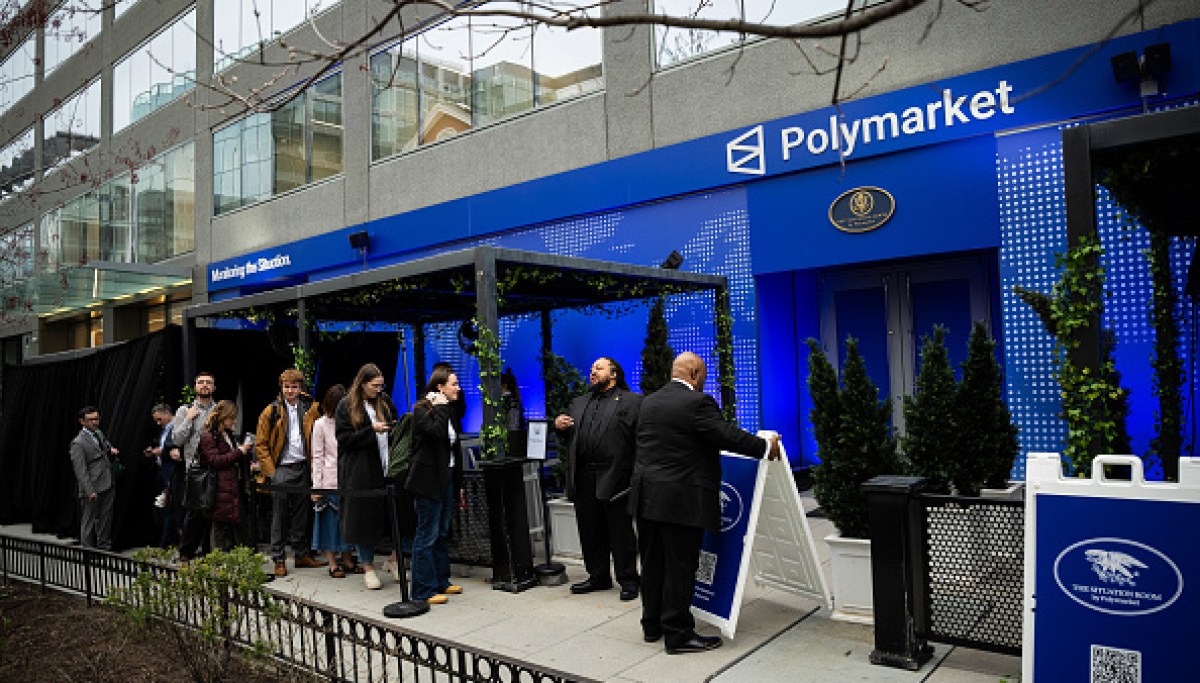
Rival platform Polymarket has also drawn criticism in recent months after suspiciously timed bets before the Venezuela and Iran operations.
ACCUSATIONS OF INSIDER TRADING ON MADURO OPERATION BRING PREDICTION MARKETS IN FOCUS
Lawmakers are moving to rein in the industry. On Monday, Sens. Adam Schiff (D-CA) and John Curtis (R-UT) introduced bipartisan legislation that would bar the Commodity Futures Trading Commission from allowing contracts that resemble sports betting or casino-style gambling.
The bill could significantly affect companies such as Kalshi, whose recent growth has been fueled by sports-related markets and partnerships with leagues and teams, with the company reporting nearly $1 billion in trading value after the 2026 Super Bowl.
The CFTC serves as the regulatory body for prediction markets, which allows Kalshi and others to operate in all 50 states, even if gambling is illegal.
Last week, the Arizona attorney general filed criminal charges against Kalshi, claiming the company is running an “illegal gambling operation and taking bets on Arizona elections, both of which violate Arizona law” in a statement. Several other states have also sued Polymarket and Kalshi. Kalshi, however, claims that prediction markets are not gambling.
What has the reaction been?
Critics say Kalshi’s changes fall short of addressing the broader risks.
Rep. Alexandria Ocasio-Cortez (D-NY) argued Kalshi’s policy does not go far enough, warning that a wide circle of politically connected people, including staff, advisers, and family members, could still exploit insider information, calling the move “a fig leaf to deflect from criticism” in a statement on X.
Lawmakers backing the new legislation were even more direct, framing prediction markets as a form of gambling operating outside existing rules.
Schiff said that sports prediction contracts are “sports bets — just with a different name,” arguing they are being offered nationwide in violation of state and federal law and accusing regulators of allowing a “backdoor” that undermines consumer protections.
Curtis echoed those concerns, pointing to the risks for younger users and emphasizing that sports betting and casino-style products should remain under state control, saying the legislation is intended to “protect families” and keep speculative financial products out of inappropriate spaces.
What are the challenges?
President Donald Trump and his allies have been generally friendly to prediction markets.
In February, CFTC Chairman Michael Selig argued that state governments do not have the right to limit prediction markets.
“The CFTC will no longer sit idly by while overzealous state governments undermine the agency’s exclusive jurisdiction over these markets by seeking to establish statewide prohibitions on these exciting products,” he wrote.
FUTURES MARKETS AND CRYPTO HIGH ON AGENDA OF AGENCY’S NEW LEADER
Selig also issued a warning to all who threaten the CFTC’s authority.
“To those who seek to challenge our authority in this space, let me be clear: We will see you in court,” he said in a video statement.