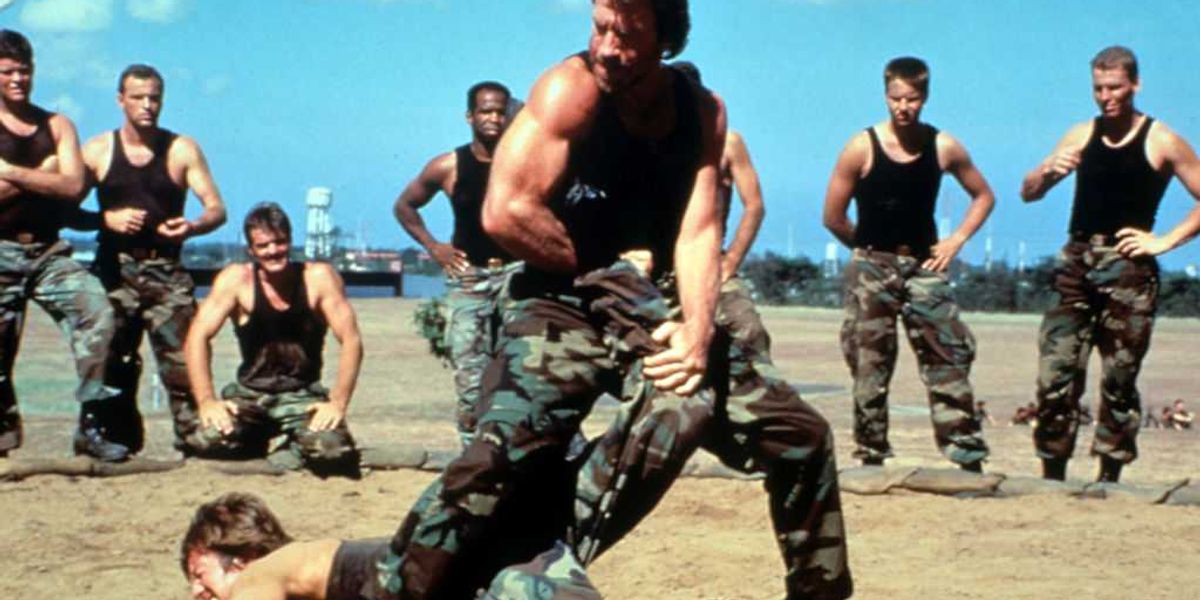
We measure influence in the U.S. military by rank, command, sacrifice, and decorations. Another kind of influence never shows up in an evaluation report or an after-action review. It lives in barracks humor, in whiteboard scrawl, and in the jokes told seconds after a blast, when nobody knows what else to say.
For more than four decades, that language included Chuck Norris, who died Thursday at 86.
In a culture that trains people to suppress fear and keep vulnerability under lock and key, humor becomes one of the safest ways to admit the stress everyone carries.
To most Americans, Norris was a martial artist and action hero. To generations of service members, he also became the centerpiece of a strange, durable mythology. The Chuck Norris jokes — absurd, hyperbolic, endlessly recycled — turned into more than throwaway lines. They became part of the emotional vocabulary of military life.
My combat deployment was no exception. Chuck Norris jokes covered bathroom walls, T-barriers, and whiteboards. They showed up during rocket attacks, after sniper fire, and in the lulls between incoming mortar fire. In a world built on danger and uncertainty, those ridiculous one-liners delivered something surprisingly useful: familiarity, laughter, and a brief reminder of invincibility.
That mattered more than civilians might think.
Humor in combat rarely counts as trivial. It works as a pressure valve. It functions as resilience. In a culture that trains people to suppress fear and keep vulnerability under lock and key, humor becomes one of the safest ways to admit the stress everyone carries. A joke can cut the tension without breaking bearing.
The Norris myth worked because it exaggerated what warfighters hope to find in themselves and in each other: strength, competence, endurance, and an almost supernatural refusal to lose. “Chuck Norris doesn’t do push-ups. He pushes the Earth down.” The line was silly on purpose. The more impossible the joke, the better it mocked the impossible situations young Americans were asked to endure.
Over time, the jokes became a kind of oral tradition. They passed from senior NCOs to new enlisted troops, from one unit to the next, from one deployment cycle to another. Like much of military culture, they traveled informally. They still carried meaning. They created continuity between those who served before and those serving now.
RELATED: Here are some of the funniest ‘Chuck Norris facts’ memes fans have shared to honor his memory
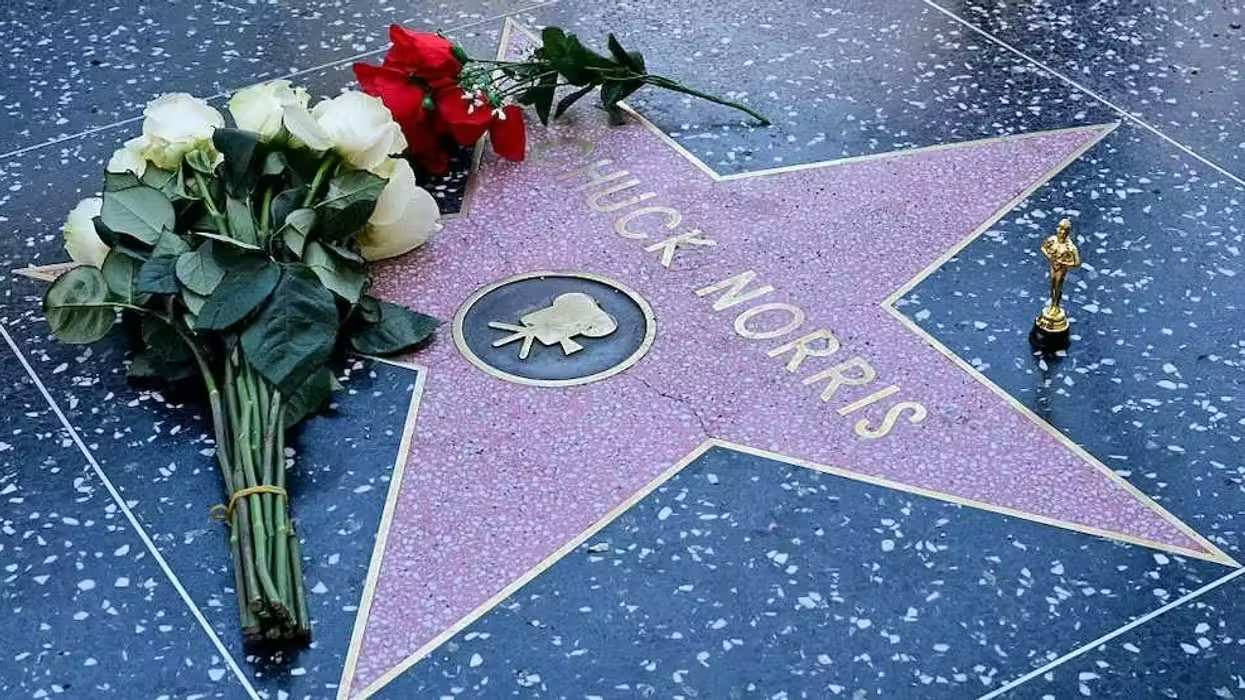 Frederic J. Brown/AFP/Getty Images
That’s how military culture often works. Doctrine and discipline matter, but shared rituals, symbols, and humor hold people together under pressure. The public tends to focus on the formal parts of service — uniforms, medals, salutes, speeches. The glue usually looks less official and more human.
It may sound odd to credit a pop-culture figure with shaping the inner life of the armed forces. Anyone who has deployed knows morale survives on unexpected things: coffee, music, dark humor, inside jokes, nicknames, and familiar reference points that make hardship feel survivable.
Chuck Norris became one of those reference points.
Warfare changes. Technology changes. The human side changes slower than people like to admit. Young Americans still deploy far from home. They still face fear, boredom, grief, and danger. They still need shared ways to absorb the psychological shock that comes with those experiences.
Whether the next generation inherits Chuck Norris jokes or builds a new mythology misses the larger point. Cultural touchstones endure because they give people a common language for courage. They turn anxiety into laughter. They remind troops that toughness isn’t only physical; sometimes toughness means smiling in the middle of chaos.
Norris did not shape strategy or write doctrine. But for a remarkable span of time, he held a small, steady place in the culture of the people who carried America’s wars.
That’s a real legacy.
Rest in peace, Chuck Norris.