A key component of New York City Mayor Zohran Mamdani’s plan to make the city more affordable for working-class New Yorkers is his promise to raise the minimum wage to $30 by 2030. Before the city council and state legislature vote on his proposal, they should read a new report on the economic impact inflicted on fast food workers by California Gov. Gavin Newsom’s $20 minimum wage. Confounding Newsom’s promises, the law has led to higher prices for diners and reduced hours for employees, lowered benefits, and increased automation.
When Newsom signed the Fast Food Accountability and Standards Act in 2023, he said the legislation showed that “California is committed to ensuring that the men and women who have helped build our world-class economy are able to share in the state’s prosperity.” The law, which was not formally implemented until April 2024, raised the minimum wage for fast food workers by 25%, to $20, and created a Fast Food Council, stacked with union yes-men, empowered to raise fast food worker pay even higher each year.
This being California, there was corruption involved. A Newsom donor who owned Panera Bread franchises was able to exempt restaurants that “produce” and sell bread as a stand-alone item from the new law’s minimum wage hike. Restaurants inside grocery stores and some concessions on college campuses were also exempt. Apparently, the workers at Panera are not entitled to “share in the state’s prosperity” like the workers at Taco Bell.
The law was also sold as a way of getting big corporations to pay their “fair share,” and only applies to fast food chains with more than 60 locations in California. But most of the franchised fast food restaurants in the state are owned and operated by families. Whatever redistribution of wealth Newsom intended is not being drained from big corporations, but from small family businesses.
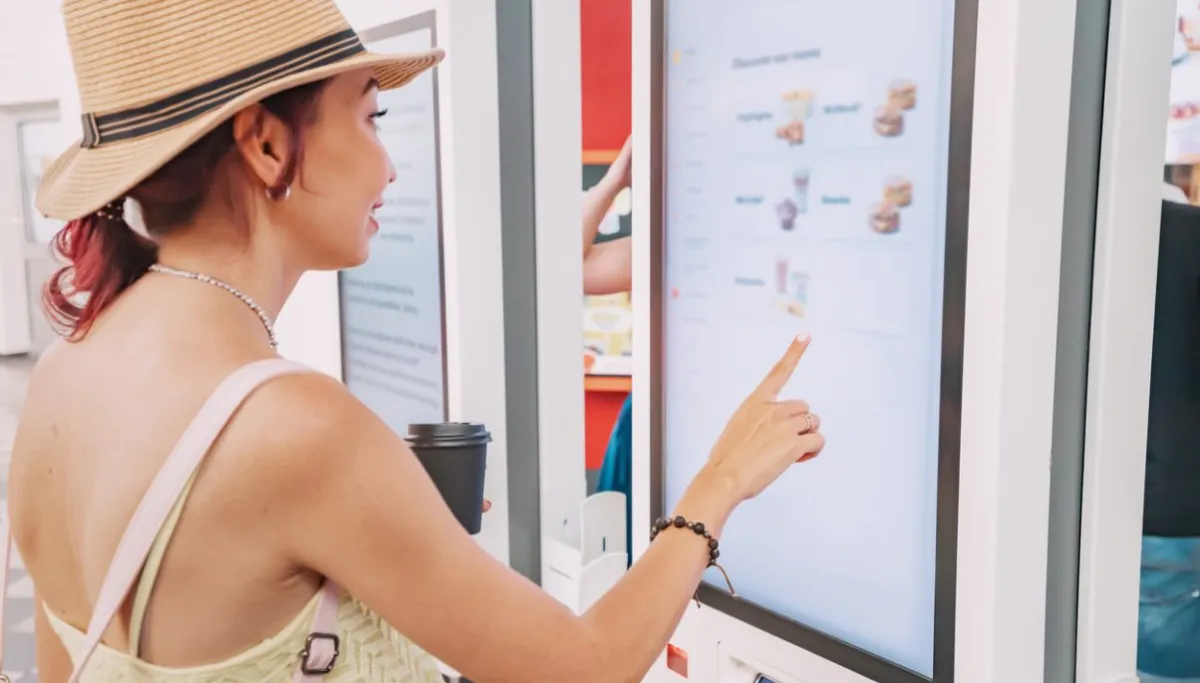
These businesses don’t enjoy the big margins necessary to allow them to increase their labor costs by 25%. Instead, a recent analysis by the University of California at Santa Cruz found that employers reacted to the minimum wage hike by reducing employee hours to save costs, eliminating overtime, lowering the number of employees eligible for benefits, raising prices, and replacing minimum wage workers with automated kiosks.
“Based on what we’ve found, I think this legislation is a classic case of ‘no good deed goes unpunished,’” a UC Santa Cruz Economics Department lecturer and study co-author said in a statement about the report. “There are unintended consequences and knock-on effects, and overall, I think the results have definitely not been as positive as policymakers had been expecting.”
SHUTDOWN SHOWS WE SHOULD PRIVATIZE AIRPORT SECURITY
The study also found that the damage done by the fast food minimum wage hike was felt by other restaurants that were forced to hike their wages, too, to compete with those that the highly regulated fast food restaurants were paying.
Higher prices, fewer hours, and fewer benefits. That is not what Newsom and Democrats promised working-class Californians, but it is what their affordability agenda delivered. Mamdani’s $30 minimum wage would be worse for New York residents.