Treasury Secretary Scott Bessent eased U.S. oil sanctions on Iran, even going so far as to allow the sale of some products in the United States.
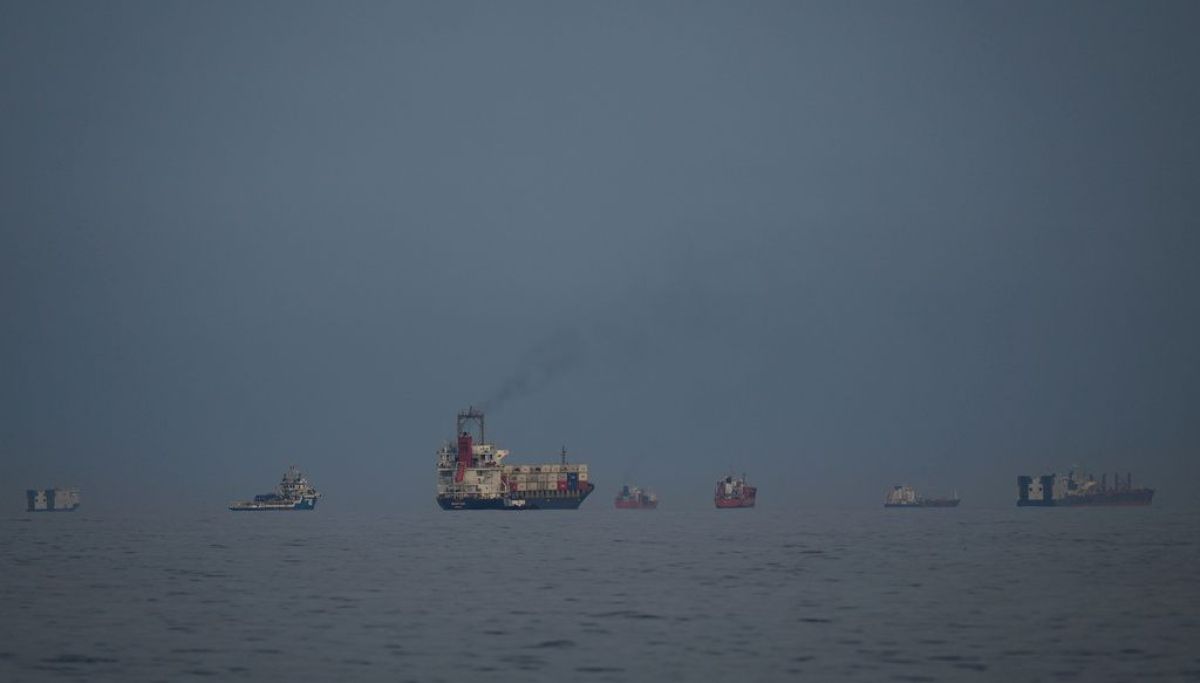
Global oil supply has been strangled due to Iran’s blockade of the Strait of Hormuz, sending oil prices skyrocketing. In another effort to increase supply and lower prices, the Treasury Department announced on Friday that it was further easing sanctions on Iranian oil for the time being, even allowing the sale of Iranian oil and refined products in the U.S.
“In response to Iran’s terrorist attacks against global energy infrastructure, the Trump Administration will continue to deploy America’s economic and military might to maximize the flow of energy to the world, strengthen global supply, and seek to ensure market stability,” Bessent posted on X.
He described the new lessening of sanctions as a “narrowly tailored, short-term authorization permitting the sale of Iranian oil currently stranded at sea.”
“At present, sanctioned Iranian oil is being hoarded by China on the cheap. By temporarily unlocking this existing supply for the world, the United States will quickly bring approximately 140 million barrels of oil to global markets, expanding the amount of worldwide energy and helping to relieve the temporary pressures on supply caused by Iran. In essence, we will be using the Iranian barrels against Tehran to keep the price down as we continue Operation Epic Fury,” Bessent added.
He also pointed out that Iran will have difficulty getting any revenue from this oil due to the continued strangulation of the Iranian financial system. The new short-term authorization only applies to Iranian oil already in transit. Altogether, Bessent said the Trump administration was working to bring 440 million additional barrels of oil to the global market.
“President Trump’s pro-energy agenda has driven U.S. oil and gas production to record levels, strengthening energy security and lowering fuel costs. Any short-term disruption now will ultimately translate into longer-term economic gains for Americans – because there is no prosperity without security,” he concluded.
While Iran’s Navy and Air Force have been all but destroyed, its ballistic missile systems vastly degraded, and its drone capabilities damaged, Tehran has managed to keep the Strait of Hormuz largely closed, wreaking global economic havoc.
Iran possesses a vast arsenal of drones and missiles with the ability to cripple or sink even the largest of oil tankers. Its degraded military can fire anti-ship missiles and drones from the shoreline all across the Strait of Hormuz, giving it full control of passage.
WAR WITH IRAN WILL IMPACT OIL PRICES MUCH MORE THAN THE 1980S CRISES
The situation also has the possibility of getting continually worse. On Feb. 18, the Center for Strategic and International Studies published analyst Clayton Seigle’s report showing several hypothetical scenarios for how the global oil trade could be disrupted. One such scenario involved Iran targeting the oil industries of the Gulf countries, including producing fields, gathering and processing nodes, or oil export terminals. Seigle told the Washington Examiner that such a move would amount to “a very severe step.”
Iran has begun undertaking such a strategy, targeting key oil and gas infrastructure in Saudi Arabia, the United Arab Emirates, and Qatar. The increasing danger to global energy markets, especially in Europe and Asia, has driven more countries to voice support for a wider mission to reopen the strait.