- Britain has lost nearly 1,800 pubs and bars since 2016 and 6,900 since 2010
- “Unwanted shops” are filling the void, with nearly 25,000 more barbers, nail salons and other beauty outlets appearing since 2010
- New inquiry launched into “repairing Britain’s broken high streets”
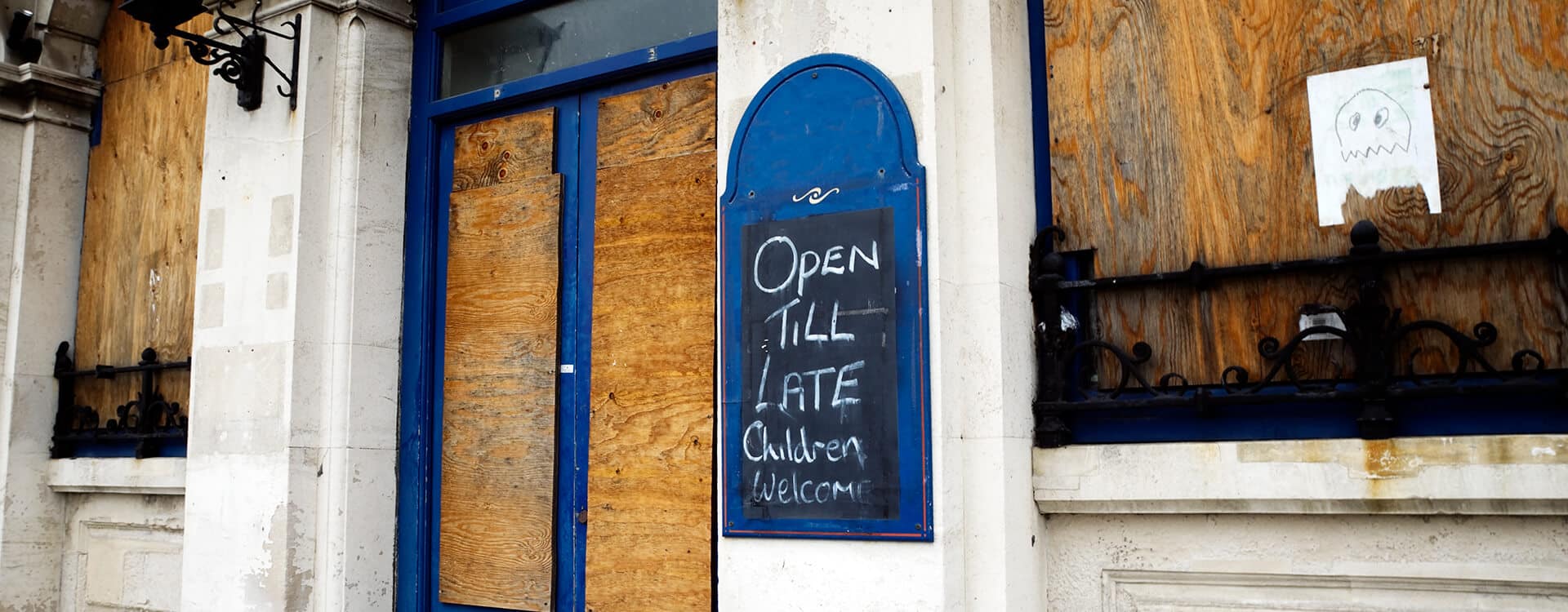
For every extra local tobacco and vape shop since 2016, seven pubs have disappeared, new research shows.
The last decade saw Britain lose nearly 1,800 pubs and bars, while the number of vape and tobacco shops rose by 245 to almost 2,200 in total, according to analysis of official figures by cross party think tank the Centre for Social Justice (CSJ).
Analysis of UK business counts of registered businesses showed a 22 per cent rise in the number of barbers, nail salons and other beauty outlets since 2016, rising to 91 per cent when compared to 2010.
In Westminster, MPs and Lords now have 30 more pubs and bars to choose from than in 2010. Meanwhile, 85 per cent of local areas saw a decline in the number of pubs and bars in their communities.
Launching a new Broken High Streets inquiry, the CSJ warns that valued community assets like pubs are being replaced by a wave of “dodgy shops” that do not reflect real consumer demand.
Polling conducted by Ipsos found that almost seven in ten Britons (68 per cent) say there are too many vape shops on the high street, while 58 per cent say there are too many barber shops, and 50 per cent say there are too many nail bars.
Given the existence of three million estimated unregistered businesses, the true rise of “dodgy shops” is likely to be even higher than the official count. Analysis published last year by the Health Equity North institute found that there had been a 1,200 per cent increase in the number of vape shops in England since the mid 2010s.
Publicans and shopkeepers are under renewed pressure from rate increases, years of high inflation, duty and VAT. At the same time, legitimate businesses risk being pushed off the high street by businesses operating as fronts for money laundering, illegal working and organised crime.
One recent investigation found that 3,624 shops had illegal goods seized from them in 2024 to 25, with HMRC and Border Force seizing 1.2 billion illegal cigarettes in the same period.
In October last year, the National Crime Agency destroyed over £2.7 million of criminal tobacco, vapes and drugs being sold off the high street.
The illicit tobacco trade is estimated to cost taxpayers £1.8 billion, nine times the amount the government has invested in neighbourhood policing, worth the equivalent of recruiting over 26,000 new police officers to make our high streets safer.
Connor Naismith MP, Labour MP for Crewe and Nantwich, said: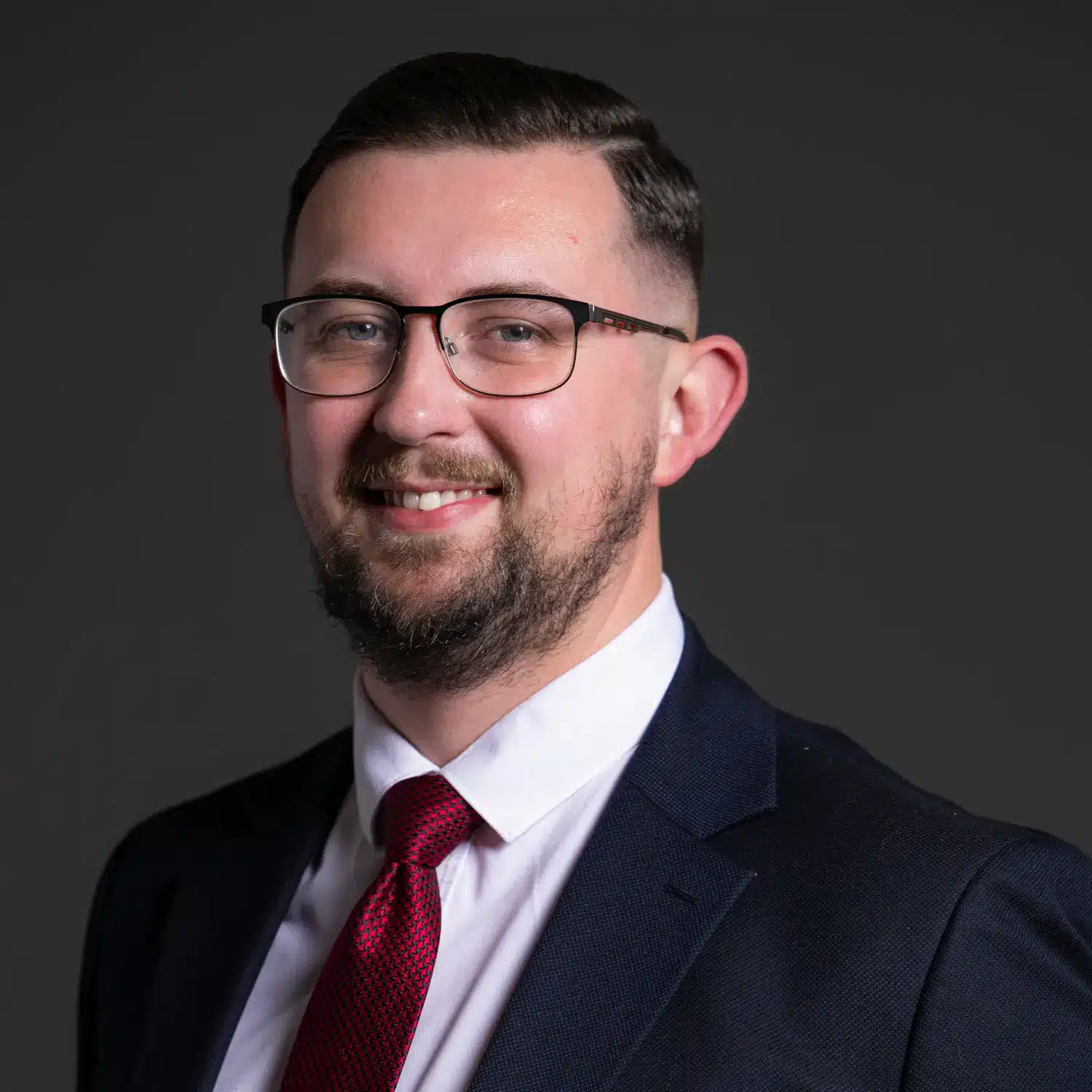
“Dodgy vape shops, mini marts and fake barbers are a front for exploitation and organised crime, pushing people out of our high streets and making a mockery of the law. Stronger powers for trading standards to shut down these criminal enterprises are urgently needed and are vital for any successful policy aimed at renewing our high streets and town centres.”
Naismith made his remarks as the CSJ launches a call for evidence to “repair Britain’s broken high streets”, warning that social breakdown across town and city centres is undermining the pillars of community life.
The think tank has also created an called Oi! Mind Your Business! which lets people see which shops and businesses are thriving or declining in their community.
The CSJ warns that a toxic cocktail of organised crime, illegal trading, shoplifting and anti social behaviour are compounding long term economic challenges facing high streets, and that local authorities are woefully underequipped to tackle the breakdown in law and order.
Social breakdown in town and city centres is doing irreparable harm to the social fabric. Official data shows that fewer than two in five adults living in England’s most deprived communities say they are proud to live in their local area, while under one in three say their area is attractive.
In a report for the CSJ, a charity service user from Teesside said:
“Teesside… it’s lawless. There are no police. There are no laws or rules here, you just do what you want. They [criminals] can come here and get away with whatever… There’s no police here. There are no laws or rules.”
Josh Nicholson, Head of Housing and Communities at the Centre for Social Justice, said:
“Britain’s high streets are changing and not for the better. The explosion of ‘dodgy shops’, shoplifting and anti social behaviour across town and city centres points to a breakdown in community life that must urgently be addressed.
“The government must identify the gaps in powers and resources that leave these problems unresolved and ensure that the upcoming High Streets Strategy contains a plan to clean up the social breakdown wrecking our communities.”
Please respond to the CSJ’s call for evidence here.
Notes to editors
A spokesperson is available for interview.
Find out about the changes to local areas over time using our Oi! Mind Your Business! platform .
Methodology
Figures on the number of businesses come from UK Business Counts (local units) accessed via Nomis. These are compiled from the Inter Departmental Business Register, a government database that records the number of local units that were live at a reference date in March, broken down by industry. UK Business Counts include businesses operating VAT and or PAYE schemes and do not include unregistered businesses.
The true number of new tobacco and vape shops is likely to be even higher than official figures. Estimates for specialised tobacco stores do not include the vast majority of convenience stores, mini marts and newsagents that stock vapes, e cigarettes and other paraphernalia. The Local Data Company, which carries out detailed surveys of all retail areas, found 3,573 specialist vape shops in the UK in 2024, 1,388 more than official estimates. Analysis published last year by the Health Equity North institute found that there had been a 1,200 per cent increase in the number of vape shops in England between 2014 and 2024.
Figures on the cost of recruiting new police officers come from a 2024 Home Office modelling document, which estimates total costs at £220 to £260 million in 2024 to 25 and £420 to £480 million in 2025 to 26. We take the midpoint of each annual range to estimate the average cost of recruiting additional police constables, PCSOs and Specials. Using this average cost, we calculate that around 26,087 additional officers could be recruited and trained with £1.8 billion in spending over two years.
Police costs are expressed in 2024 to 25 and 2025 to 26 prices, with costs assumed to increase in line with the GDP deflator to account for inflation. The £1.8 billion cost of illicit tobacco to HMRC is from the latest yearly data in 2023 to 24.