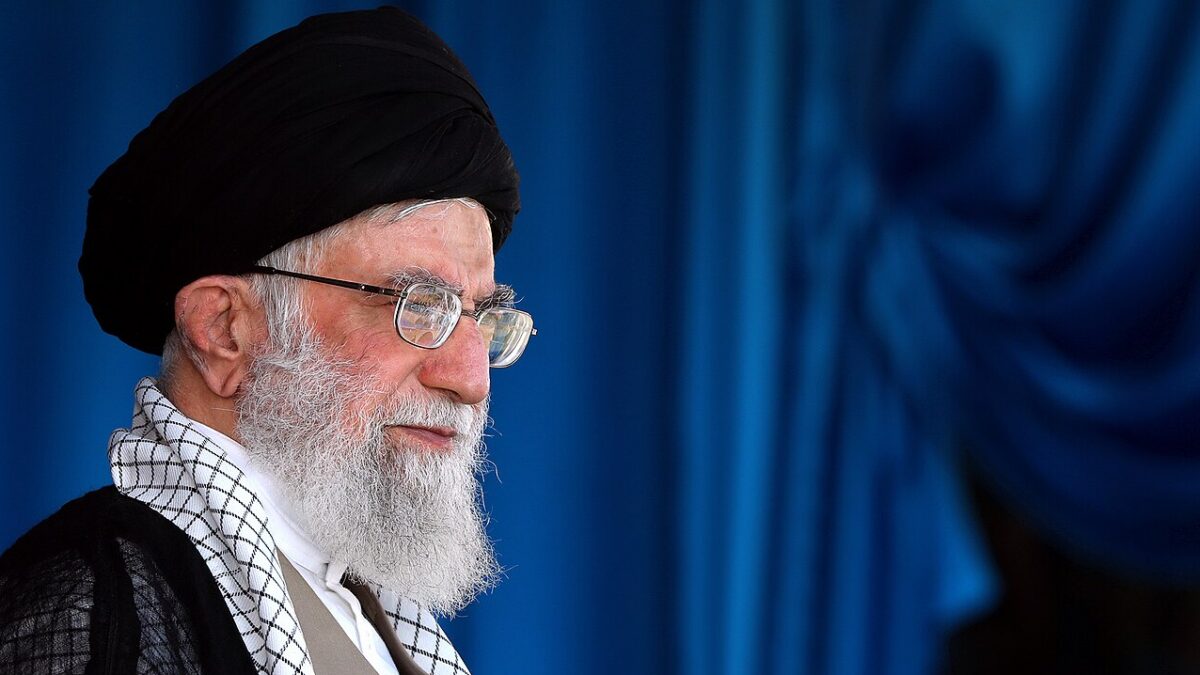
If you thought The Washington Post’s infamous decision to describe ISIS leader Abu Bakr al-Baghdadi as an “austere religious scholar” was a once in a lifetime lapse in editorial judgement, you were mistaken. With the death of Iran’s brutal dictatorial supreme leader, both The New York Times and The Post are back to remind you that legacy media still has no shame.
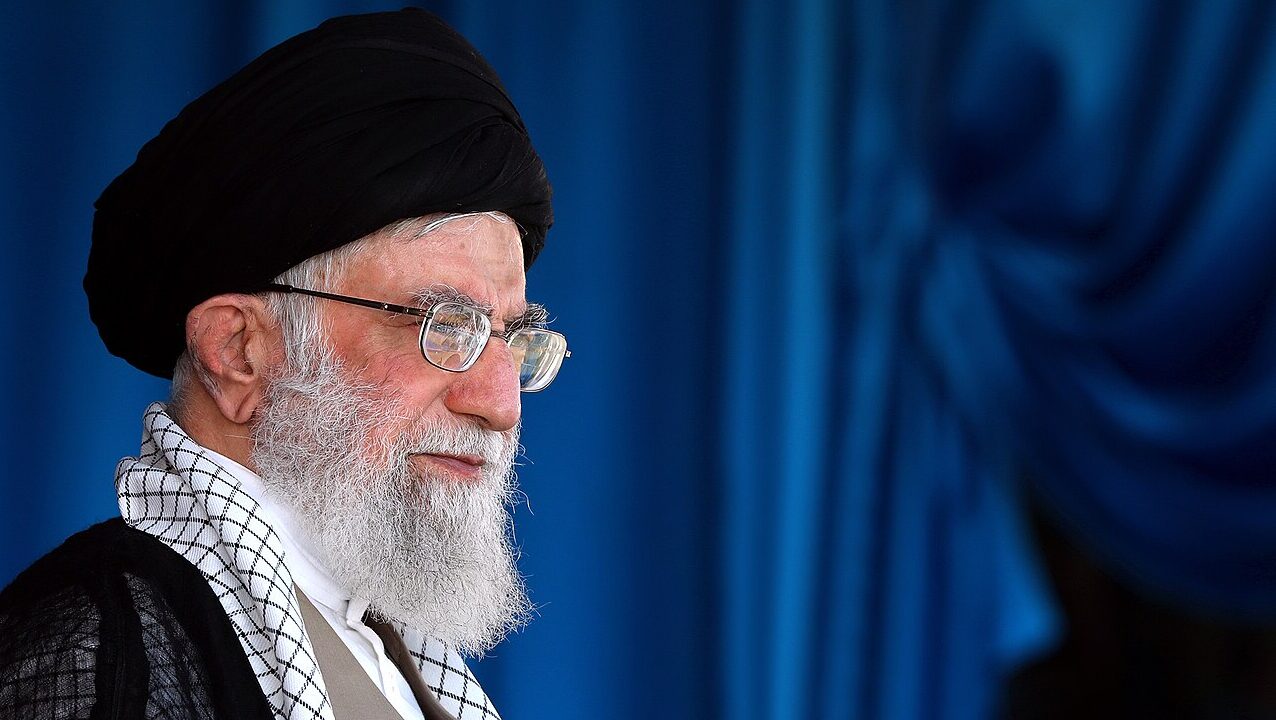
Ayatollah Ali Khamenei, Iran’s longtime supreme leader responsible for executions, censorship, repression, and sponsoring terrorist groups worldwide, was killed in an airstrike on Saturday. His death comes weeks after his regime oversaw the execution of tens of thousands of Iranians who took to the streets to protest his very rule.
But rather than recount the misery and destruction of his reign, the propaganda press has set out to humanize him. In a Washington Post obituary by William Branigin, readers are introduced to the Ayatollah not as the brutal dictator he was, but simply as “Iran’s supreme leader,” who “is dead at 86.”
“He played a behind the-scenes role in Iran’s Islamic revolution, served as president in the 1980’s and dominated the country for more than three decades,” the subhead reads — an interesting way to describe the leader of one of the most repressive regimes in the world.
Branigin then paints a glowing picture of Khamenei.
“With his bushy white beard and easy smile, Ayatollah Khamenei cut a more avuncular figure in public than his perpetually scowling but much more revered mentor, and he was known to be fond of Persian poetry and classic Western novels, especially Victor Hugo’s ‘Les Miserables.’ But like the uncompromising Khomeini, he opposed moderates’ efforts to promote political and social reforms domestically and to secure rapprochement with the United States.”
Khamenei’s literary preferences are noted, but his long history of executions, censorship, and sponsorship of terrorism are not highlighted to such a glowy degree.
Branigin also wants readers to know the ayatollah “‘had a difficult life’” and sometimes had only “little to eat” like “bread and raisins.”
When describing his elevation to supreme leader, Branigin highlights Khamenei’s humility.
“In his first speech in the post, he struck a self-deprecatory tone, calling himself a man ‘with many faults and shortcomings and truly a minor seminarian.’ He said later in his biography that he accepted the position reluctantly.”
The picture painted by Branigin is clear: Khamenei’s life is defined by his personal restraint, cultural interests, and modesty, not the terror campaign he oversaw for decades.
The New York Times’ Alan Cowell and Farnaz Fassihi similarly wrote: “Ayatollah Ali Khamenei, Hard-Line Cleric Who Made Iran a Regional Power, Is Dead at 86.”
Of course, The Times could have swapped “Hard-Line Cleric” for brutal dictator, terrorist, world’s leading state sponsor of terrorism — the list can go on.
While Cowell and Fassihi noted that Khamenei “brutally crushed dissent at home,” the article goes on to say that he “for the most part” “avoided open military confrontation with” the United States and Israel.
Like The Post, the Times is deeply invested in getting the word out that Khamenei had a modest upbringing and, in later life, “appeared to live modestly in a home-office complex where he met with heads of state in a sparsely furnished room with a beige carpet, a sofa and a few wooden chairs.”
And despite reports of access to wealth, “Reuters found no evidence that the ayatollah used it to enrich himself.”
“Ayatollah Khamenei’s obstinacy sometimes hurt Iranians,” The Times wrote, citing the ayatollah’s refusal to allow the importation of COVID vaccines which led to more than 100,000 deaths.
That that is the harm singled out rather than the executions, the torture, or the January hangings, is telling.
But, “After more than 35 years in power, Ayatollah Khamenei had shaped the Islamic Republic in his own image,” the obituary concludes, as if it’s an achievement rather than a somber reflection of the destruction he caused to his own people.
You don’t have to hate the media to notice the absurdity of these obituaries, but if you didn’t hate them before, you probably do now.
Brianna Lyman is an elections correspondent at The Federalist. Brianna graduated from Fordham University with a degree in International Political Economy. Her work has been featured on Newsmax, Fox News, Fox Business and RealClearPolitics. Follow Brianna on X: @briannalyman2