As massive protests continue to escalate across Iran — now in their third week, spreading to all 31 provinces, with protesters demanding the fall of the Islamic Republic — demonstrators face a savage government crackdown. Meanwhile, some of the most influential voices from the left, including former President Barack Obama and his deputy national security adviser Ben Rhodes, have chosen to remain silent. Their silence cannot shield them from scrutiny of U.S. policies under Democratic administrations, starting with Jimmy Carter. These policies have been consistently misguided, emboldening the regime, exacerbating instability, and prolonging the Iranian people’s suffering.
Before the 1979 Iranian Revolution that overthrew the monarchy, opposition leader Ayatollah Ruhollah Khomeini — then in exile in France — secretly communicated with the Carter administration in January 1979. He urged President Carter to pressure Iranian generals loyal to the shah to support him instead, assuring that “America’s interests and citizens in Iran would be protected” once in power.
The Carter administration fell for Khomeini’s deceptive promises, mistaking him for a moderate. U.S. officials persuaded royalist military leaders to stand down, paving the way for Khomeini’s triumphant return to Tehran on Feb. 1, 1979. The New York Times infamously reassured the world: “The depiction of [Khomeini] as fanatical, reactionary, and the bearer of crude prejudices seems certainly and happily false. Iran may yet provide us with a desperately needed model of humane governance.”
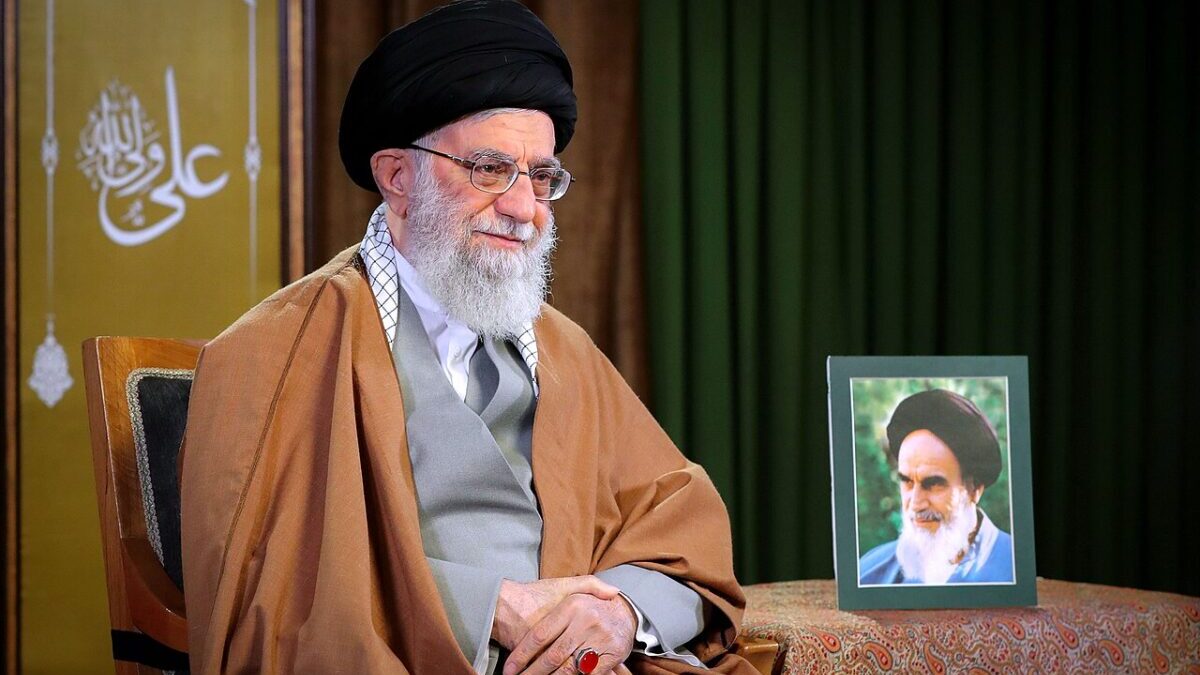
Khomeini quickly showed his true face. As Supreme Leader, he executed royalist generals and other opposition leaders, and established a repressive theocratic regime. Months later, in November 1979, militants stormed the U.S. embassy in Tehran, taking 66 Americans hostage — 52 held for 444 days. The crisis humiliated the U.S. and contributed to Carter’s electoral defeat.
For nearly five decades under Khomeini and his successor Ali Khamenei, the regime has committed egregious human rights abuses, especially against women, while exporting its Islamic revolution via proxy terrorists and alliances with U.S. adversaries such as Russia and China. Most troubling is the regime’s clandestine pursuit of nuclear weapons.
Obama’s Mistakes
Despite these lessons, the Obama administration repeated the mistake, believing diplomacy could moderate the regime and curb its nuclear ambitions. No preconditions were set for negotiations; instead, billions of dollars in cash were released, which Iran promptly funneled to rogue regimes and terrorist groups.
In 2009, millions of Iranians took to the streets during the “Green Movement” to protest against alleged election fraud. Yet, Deputy National Security Advisor Rhodes convinced Obama not to support the Iranian people, fearing it would rally Iranians around the regime and derail nuclear talks. This decision, as author Saul Sadka noted on X, condemned Iranians to 15 more years of oppression.
The Obama administration made other key concessions to secure a nuclear deal with Iran, including the unusual decision to drop charges against prominent Iranians involved in nuclear procurement. Additionally, the administration acquiesced to the Iranians’ request to refrain from prosecuting Hezbollah figures, despite compelling DEA evidence linking them to extensive criminal enterprises involving drug trafficking, arms smuggling, and money laundering.
One of the most striking examples of Obama’s approach was his declaration that the use of chemical weapons by Bashar al-Assad in Syria would serve as a “red line.” When Assad crossed that threshold in 2013, Obama chose not to act, prioritizing the nuclear negotiations with Iran — a country that stood as a principal ally of the Assad regime — over enforcing his own stated boundaries. Many regarded this as the biggest mistake in Obama’s presidency.
In an interview, Rhodes admitted that the White House created an “echo chamber” of foreign policy experts to provide media talking points that would promote the nuclear negotiations with Iran and the final agreements to skeptical lawmakers, the American public, and allies. Despite this effort, the nuclear agreement reached between the Obama administration, Iran, and several allies in 2015 has faced widespread criticism for its significant flaws. James Phillips of the Heritage Foundation aptly called it “little more than a diplomatic speed bump” that failed to halt Iran’s nuclear progress.
Trump’s Contrasting Approach
In contrast, during his first term, Trump decisively withdrew from this agreement and applied “maximum pressure” on the Iranian government through severe sanctions, which dramatically crippled Iran’s economy and compelled the regime to slash military expenditures.
The strategic assassination of Maj. Gen. Qassem Soleimani in 2020 was a decisive blow to Iran’s regional ambitions, as Soleimani was responsible for orchestrating numerous attacks against Americans in the area, thereby significantly disrupting Iran’s ability to influence the region.
Biden’s Appeasement
Rather than build on this leverage, President Joe Biden chose to appease the Iranian regime, hoping to revive the nuclear negotiation. Biden opted not to enforce the previous oil sanctions and permitted Iran to access $6 billion in previously frozen assets, undermining the pressure that had been built, and providing the Iranian regime a lifeline. Biden’s Iran envoy Robert Malley was later linked to an Iranian intelligence influence operation.
Flush with cash, the Iranian regime funded proxies that attacked U.S. forces and allies and disrupted international commerce. Hamas executed a devastating terrorist attack against Israel on Oct. 7, 2023, killing 1,200 people, including at least 32 Americans. Houthi rebels in Yemen used Iranian-supplied missiles and drones to attack civilian and military targets across the Middle East and to terrorize international shipping in the Red Sea. Additionally, on Jan. 28, 2024, the Iran-backed group Kataib Hezbollah launched a drone strike in northeastern Jordan, killing three American soldiers and injuring more than 40 other service members.
Nuclear Advancement
Most concerning is the rapid progress Iran has made in its nuclear weapons program, as reported by the International Atomic Energy Agency in May 2024. It took the decisive actions of the Trump administration — bombing three Iranian nuclear sites and Israel’s targeted assassination of key Iranian nuclear scientists — to significantly hinder Iran’s nuclear ambitions.
The Democrats’ appeasement strategy has emboldened a deadly adversary, endangered Americans and allies, and prolonged Iranian suffering. Today, amid another wave of historic uprising in Iran — sparked by economic collapse and openly demanding regime change — the regime’s brutal response has only fueled the fire. Protesters face mass killings under cover of darkness, yet they persist. The silence from Democratic leaders is disheartening but predictable.
This moment offers a historic opportunity for decisive leadership. President Trump has already threatened military intervention if the killing continues, imposed new tariffs on Iran’s trading partners, and signaled readiness to act. He stands poised to support the Iranian people’s quest for freedom while advancing U.S. national security.
The era of appeasement must end. America should stand unequivocally with those risking everything for liberty, ensuring the regime’s threats are met with strength, not concessions.