The Environmental Protection Agency has rejected Colorado’s state haze control plan, arguing that the required shutdown of several coal plants would harm grid reliability.
The EPA said on Friday that it would disapprove Colorado’s revised 2022 Regional Haze State Implementation Plan (SIP) after the state’s attempt to shut down several coal plants without consent, which the agency said does not comply with the Clean Air Act and is not necessary to meet requirements. It also noted that the shutdown of coal plants may disrupt the grid.
HOW TRUMP’S OIL TANKER SEIZURES FIT IN THE US-VENEZUELA STRATEGY
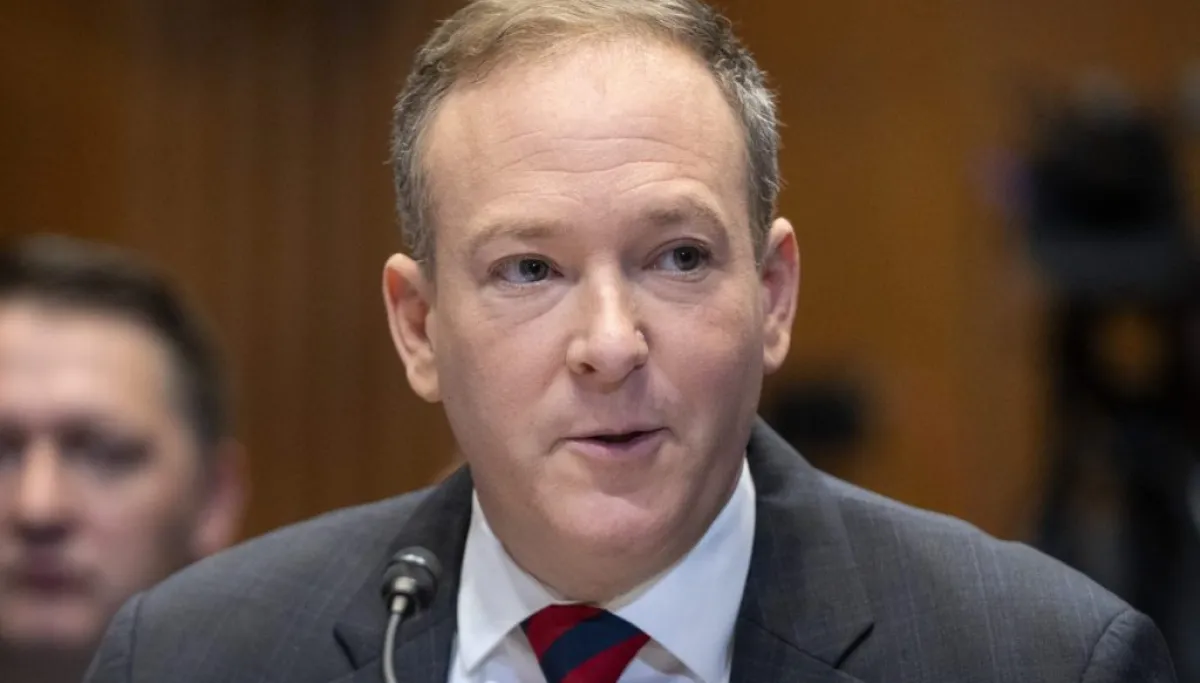
“Reliable baseload energy sources are essential to Powering the Great American Comeback and ensuring families have cost-effective energy,” EPA Administrator Lee Zeldin said in a statement. “The Trump EPA has repeatedly demonstrated that we can achieve our statutory obligations, support baseload power, and improve visibility within our national parks. This is what the American people voted for.”
“EPA is ready and willing to work full-heartedly with Colorado to revise its SIP, ensuring full compliance with the Clean Air Act as written,” he added.
The Regional Haze plans direct states to implement pollution control plans to improve haze and air quality at national parks.
In July, the EPA proposed partially disapproving Colorado’s plan because of efforts to shut down plants to meet requirements. In its decision to partially disapprove the plan, the EPA noted information submitted by Colorado Springs Utilities regarding the closure of Nixon Unit 1 in Colorado’s 2022 SIP submission. The utility indicated that if the Nixon Unit 1 were to close, it would risk grid reliability. The plant is scheduled to close in 2029.
WASHINGTON SECRETS: TRUMP FIRST YEAR REPORT CARD: A- PROMISE KEEPER OR ‘NIGHTMARE’ FAILURE
The EPA argued on Friday that the “state did not properly consider and explain whether the nonconsensual closure of Colorado Springs Utilities’ Nixon Unit 1 power plant would be an act of taking private property without compensation.” Colorado must submit a revised plan to the EPA.
In response to the EPA’s rejection, Gov. Jared Polis (D-CO) told the Washington Examiner in a statement that the “Trump administration chose dirtier air and higher costs today and rejected Colorado’s and utilities’ careful plans to save people money and increase energy availability and reliability.”
“Utilities have planned for years to retire their old, expensive coal plants and replace them with lower cost resources such as wind, solar, batteries and gas. This federal decision is out of touch with the realities of the electric grid in Colorado,” Polis said. “Keeping old coal plants online will increase costs to ratepayers, worsen air quality, and make it harder to bring lower cost and cleaner generation online.”
The Trump administration has sought to keep coal plants operating past their scheduled retirements to address growing energy demand. At the same time, the administration has paused renewable energy projects, such as wind, arguing that those energy sources are unreliable.
Colorado also had plans to retire two coal-burning units at the end of 2025, including Tri-State Generation and Transmission Association’s Craig Station coal plant Unit 1 and Xcel Energy’s Comanche 2 power plant in Pueblo.
However, Colorado in November withdrew from closing the Comanche 2 power plant, while Xcel Energy’s larger Comanche 3 power plant remains offline.
ENERGY DEPARTMENT DELAYS ANOTHER COAL PLANT CLOSURE, ORDERING COLORADO UNIT TO REMAIN OPEN
In addition, the Department of Energy issued an order last month to keep Unit 1 of the Craig Station coal plant operating, arguing it is essential to maintain grid stability during the winter months and minimize electricity costs and blackouts. The unit will continue operating until March 2026.
The DOE issued at least five emergency orders to keep retiring coal plants operating last year.