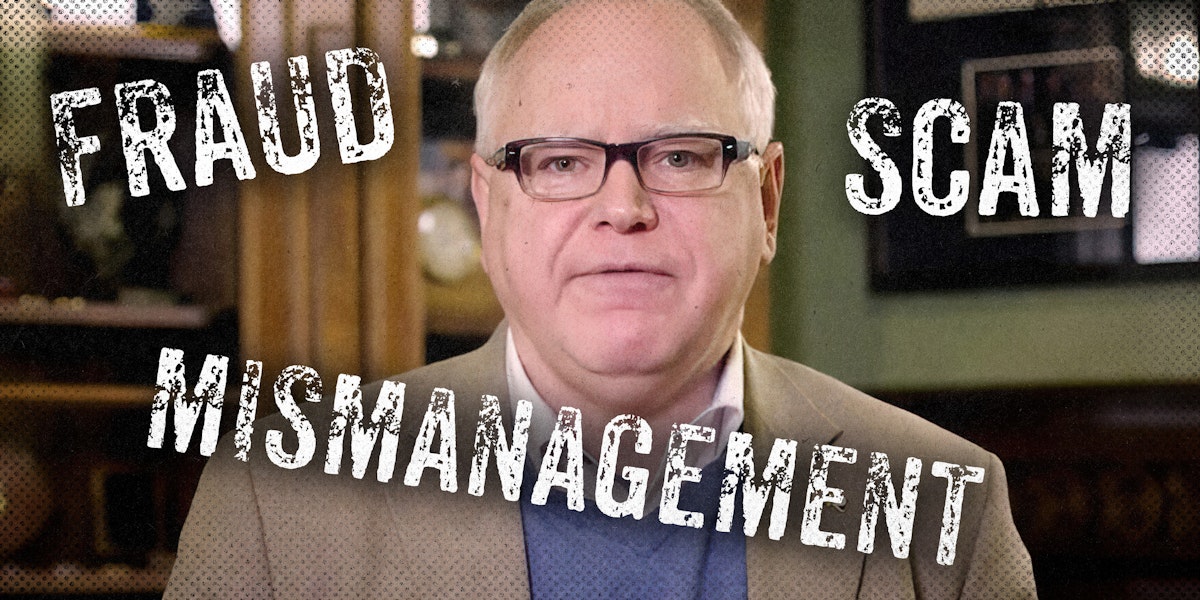
In Minnesota, a wave of revelations about massive fraud within the state’s social services and welfare programs has erupted in recent weeks, exposing a system riddled with abuse and astonishing lapses in oversight.
From housing assistance to nutritional aid, program after program appears to have been exploited, siphoning millions — if not billions — from taxpayers. What’s most alarming is the growing evidence that this wasn’t merely negligence, but a breakdown in accountability so severe that it was allowed to flourish under the watch of state leadership, including the governor himself. This scandal now sits at the center of a broader national debate with several questions that need to be answered: how did this happen, what does it mean for America’s immigration policies moving forward, and is it possible to reestablish a firm expectation for those coming into our country?
These cases have sparked outrage, and rightly so. Many are wondering how such abuse could have continued for so long.
According to the White House, the scandal involving the fraudulent diversion of taxpayer funds “cost taxpayers $1 billion.” That alone ought to shake confidence in oversight. Among the 86 individuals charged so far, 78 are of Somali ancestry. This has prompted high-level federal intervention: U.S. Immigration and Customs Enforcement (ICE) is reportedly planning what’s being described as a “surge” of enforcement in the Twin Cities — a crackdown officials say is necessary in light of the immigrant communities tied to the fraud investigation.
But how was this fraud allowed to fester in the first place? Sources suggest a combination of systemic negligence, inadequate oversight, and political hesitancy created fertile ground for abuse. The White House memorandum argues that state and “Democrat officials” were “reluctant — tolerating, if not tacitly allowing, the fraud” out of concern over “political backlash among the Somali community.” Furthermore, consistent warnings — from both whistleblowers and internal audits — appear to have been ignored by those in charge, likely including Democrat Governor Tim Walz himself.
The massive level of neglect, along with the expansion of welfare programs (particularly in the COVID era), seems to have enabled the deception: nonprofits allegedly billed for services to nonexistent children, therapy for nonexistent autistic patients, and housing or food services to people who never received them. The fraud network was reportedly massive, spanning multiple nonprofits, and in some cases, allegedly channeling money out of state — even abroad — before the authorities finally intervened. In short, weak safeguards, poor enforcement, political over-caution, the rapid growth of social-aid programs, and government officials turning a blind eye all created the perfect storm that allowed fraud to go on for years under the radar.
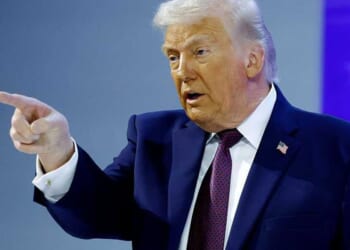
In light of these revelations, President Donald Trump’s decision to end Temporary Protected Status (TPS) for Somali immigrants in Minnesota and authorize a major enforcement operation is seen by many as a justified and long-overdue response. On November 21, 2025, he announced via social media that he would “immediately” terminate Somali TPS nationwide, citing what his administration described as a state turned into “a hub of fraudulent money laundering activity.” Within days, federal authorities confirmed plans for a sweeping operation in Minneapolis–St. Paul, targeting primarily Somali immigrants with final deportation orders.
Proponents argue that ending TPS and curbing immigration from regions such as Somalia is not only defensible but also necessary to preserve the integrity of welfare and social services. They view such steps as preventive measures to ensure that public assistance serves those who genuinely need it — not those who exploit it. Those who demand strong enforcement claim this is not about animus toward immigrants but about upholding accountability, protecting taxpayers, and restoring trust in public institutions.
Yet critics — including local leaders and immigration-advocacy groups — warn that the decision unfairly punishes entire communities for the crimes of a few. Minneapolis Mayor Jacob Frey pushed back against Trump, warning, “Targeting Somali people means that due process will be violated, mistakes will be made. … American citizens will be detained for no other reason than the fact that they look like they are Somali.” The cities of Minneapolis and St. Paul have declared they will not cooperate with federal immigration enforcement, reinforcing that most Somali Minnesotans are long-time residents, contributors to their communities, and in many cases, U.S. citizens.
Moreover, immigration experts have questioned whether the abrupt termination of TPS — without standard procedural safeguards — is lawful. Heidi Altman, vice president of policy at the National Immigration Law Center, complained, “There’s no legal mechanism that allows the president to terminate protected status for a particular community or state that he has beef with.”
Other critics of the immigration crackdown argue that policies shaped by fear or broad generalizations about entire ethnic or cultural groups set a dangerous precedent, one that undermines immigrant communities and threatens America’s long-standing reputation as a refuge for those fleeing instability. Yet ignoring widespread fraud and the large-scale theft of taxpayer dollars within these same communities can cause just as much damage — if not more. Turning a blind eye to such abuse weakens public trust, destabilizes social programs meant for the genuinely vulnerable or those truly coming here for a better life, and ultimately harms both citizens and honest immigrants who depend on a system that functions fairly.
For many Americans, the crackdown feels like a step back toward enforcing shared values — accountability, personal responsibility, and respect for public institutions. They see immigration not as charity but as a privilege that carries obligations. From this perspective, welcoming newcomers who willingly abide by the law, support themselves, and contribute to society strengthens the nation’s fabric; but when large-scale fraud, welfare abuse, or criminal activity arises, it is indisputable that continuing with the previous administration’s open-border, low-vetting policy becomes not compassionate, but reckless and destructive.
In that vein, patriotism is not about unbounded generosity; it is about preserving a system where laws apply equally to all as they were originally intended, regardless of the hardships some are escaping. This includes strong polices that protect public resources from being hijacked by fraud. Allowing the importation of individuals or groups whose behavior undermines social trust and American values, and who steal from those who work hard to contribute, is not welcoming — it is enabling. Safeguarding American institutions, ensuring fiscal responsibility, and demanding lawful behavior before offering permanent sanctuary is an honest and true form of compassion: one that honors both citizens who pay taxes and immigrants who genuinely seek the opportunity this country provides.
If we are to restore faith in government, in immigration, and in the idea of a shared American identity, then enforcing the law — and revoking protections for those who abuse it — is far from cruel. It is among the most patriotic things we can do.