Time Magazine made the aftermath of the LA wildfires into a cover story.
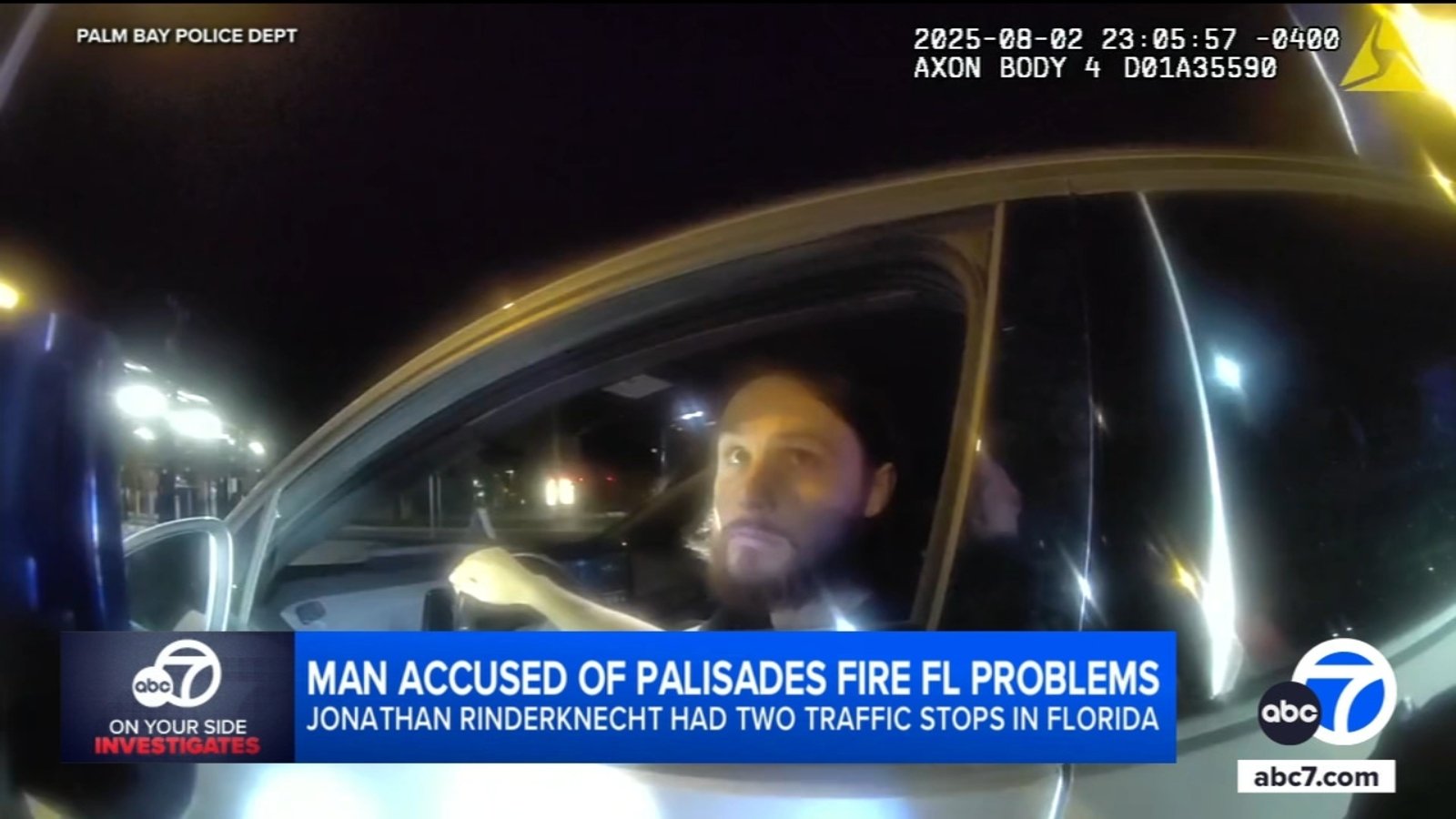
The 5,000 word story makes no mention of ‘Jonathan Rinderknecht’ (above), the Uber driver indicted for starting the fires.
This year an Uber driver started a fire in LA that an incompetent DEI fire department run by 3 lesbians could not manage to put out
Next year, the Uber driver will start fires across all of America
Climate change pic.twitter.com/slrjsXWz97
— Daniel Greenfield – “Hang Together or Separately” (@Sultanknish) November 21, 2025
There’s only one direct mention of LA Mayor Karen Bass and no mention that she was in Ghana during the fires.
The name of the woman in charge of the LAFD doesn’t come up even though Bass ousted her over the failures during the fire. There’s no mention of who’s in charge of the Department of Water and Power. Instead, Time claims that there wasn’t enough water because of high demand.
There is, of course, no mention of the recent revelations that firefighters had been told to walk away from a smoldering fire that started all of this.
(If you want to read about any of that, read my recent article, ‘We Know Now Why LA Burned’ which traces the roots of it back to an environmentalist campaign against the Reagan Library.)
So what does the Time Magazine story talk about if not the origins of the fires?
The headline on the cover of Time warns ‘THIS YEAR THE L.A. WILDFIRES CAME FOR MY HOMETOWN. WHAT HAPPENED NEXT IS A WARNING FOR US ALL.”
The warning is that an Uber driver named Climate Change is here to set fires everywhere. The word “climate” is mentioned 23 times. Often in gibberish neologisms littered with buzzwords like these.
“As climate-related disasters accelerate and compound across the country, communities of all political stripes, socioeconomic compositions, and racial backgrounds face new risks. The best way to protect against this is to take action beforehand—investing in programs that help cities prevent and prepare, an approach known in climate circles as adaptation. When disaster does strike, the government needs to embrace a new framework for recovery that moves swiftly without leading to rebuilding the exact same way. The recovery in Los Angeles is an opportunity to create a new model for a climate-resilient future. The jury is still out on whether this is possible, and the evidence isn’t looking good. The L.A. fires and their aftermath should serve as a warning sign for us all.”
Why does this story even exist? Think of it as an anti-story. A story tells you something while an anti-story is meant to distract you from the story. Media narratives and conspiracy theories are both common forms of anti-story. Thus, rather than talking about happened on 9/11, you talk about ‘Islamophobia’ or ‘foreign policy’. And instead of talking about crime, you talk about gentrification or prison reform. And, just as we’re learning how the LA wildfires got started, Time puts out a gibberish anti-story about how we’re all going to burn unless we stop using plastic bags.
(L.A. banned plastic bags, it didn’t seem to help.)
“Climate-related events will always be harder to weather for those with fewer resources. But I sometimes fear that these narratives obscure an important reality: climate disaster will strike everywhere. Whatever protection you may think you have, it’s best to think again. To maintain a healthy society in the time of climate crisis, someone needs to take the wheel. While the day-to-day of insurance, soil, and fire planning occupy headlines, the bigger picture has been lost. Climate change may not be an existential threat in the sense that it will kill us all, but it is existential for the cultural fabric of communities. And climate disasters threaten to bring about political and social fragmentation for the growing number of people affected by them.”
This isn’t journalism, it’s gibberish. It’s the sort of thing AI would put out. It’s meaningless nonsense meant to distract you from what’s going on while trying to convince you that the real threat is the weather not bad decisions.